
Last updated: May 2026
Disclaimer: This content is for informational purposes only and does not constitute professional ambulance advice. Always consult a qualified professional before making ambulance decisions.
First aid event services are the professional medical provisions arranged to ensure the health and safety of attendees, staff, and participants at any gathering.
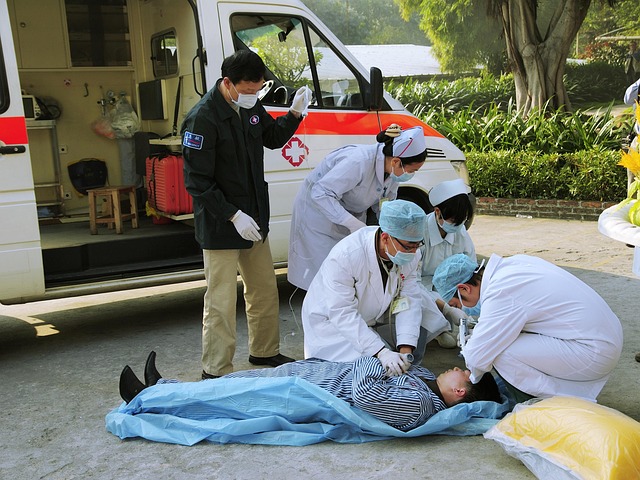
This includes deploying qualified first aiders, Emergency Medical Technicians (EMTs), paramedics, nurses, and doctors, along with setting up first aid posts, and stationing ambulances (BLS or ALS) on-site. The goal is to provide immediate medical care for injuries and illnesses, manage emergencies effectively, and ensure compliance with safety regulations in Mumbai.
- Key Requirement: A risk assessment determines the level of medical cover needed.
- Essential Components: Staff, equipment, a designated First Aid Post, and an emergency plan.
- Provider: Ayyappa Ambulance offers comprehensive medical cover for events of all sizes in Mumbai.
As an event organizer in Mumbai, you are juggling a thousand details, from venue logistics to guest lists. Yet, one of the most critical, and often overlooked, aspects is the safety of every person on site. You’re likely asking: How do I ensure I have adequate medical cover? What are my legal obligations? You are responsible for providing a safe environment, and securing professional first aid event services is not just a best practice—it’s a fundamental duty of care. This guide provides the exact steps to navigate this process, ensuring your event is both successful and safe.
Prerequisites: Assessing Your Event’s Medical Needs
Before you can book any service, you must conduct a thorough medical needs assessment. This is the foundation of your event’s safety plan. A flawed assessment leads to either dangerous under-provisioning or wasteful overspending. The goal is to match the level of medical support precisely to the risk profile of your event. This involves a careful analysis of several factors, moving beyond just the number of attendees to understand the specific hazards involved.
How do I determine the number of medical staff needed for my event?
Determining staffing levels is a calculation based on risk, not just headcount. While there’s no single magic formula, you can follow a structured approach. First, classify your event’s risk level: low (e.g., corporate seminar, art exhibition), medium (e.g., concert, wedding, large festival), or high (e.g., marathon, motorsport, high-contact sports). According to guidelines from bodies like India’s National Disaster Management Authority (NDMA) on mass gathering management, the risk profile dictates the required resources. For a low-risk event of 1,000 people, two qualified first aiders might suffice. For a high-risk marathon with 5,000 runners in Mumbai’s climate, you would likely need multiple first aid posts, several teams of EMTs, and at least one Advanced Life Support (ALS) ambulance. Consider attendee demographics (e.g., events for children or the elderly require more support), event duration, and alcohol availability.
Why does event first aid cover matter for legal compliance?
In India, while specific national legislation for private event first aid is not as prescriptive as in some other countries, the principle of ‘duty of care’ is legally binding. As an organizer, you are legally responsible for the safety of your attendees. Failure to provide adequate medical cover can result in charges of negligence in the event of a serious injury or fatality. This can lead to severe legal and financial repercussions, including lawsuits and reputational damage. Furthermore, for large-scale public events in Mumbai, securing permits from local authorities like the Brihanmumbai Municipal Corporation (BMC) and the Mumbai Police often requires submitting a detailed safety and medical plan. Without proof of professional first aid event services, your permit application may be denied.
Step-by-Step Guide to Securing First Aid Cover in Mumbai
Navigating the process of securing medical cover can seem daunting. Follow these steps methodically to ensure you have a robust and compliant medical plan for your Mumbai event.
- Conduct a Comprehensive Risk Assessment: This is your non-negotiable first step. Document the event type, venue size and layout, expected attendance, attendee demographics (age, fitness levels), and specific activities (e.g., sports, dancing, alcohol service). Identify potential hazards: heatstroke during an outdoor summer event, trip hazards, food poisoning, or injuries related to the specific activity. This document is what you will provide to potential medical service providers.
- Define Your Medical Requirements: Based on the risk assessment, specify your needs. Do you need a single first aider, a full medical team with an EMT, a static First Aid Post, or a fully equipped ambulance on standby? For example, a 10k run in Navi Mumbai will require more than just a basic first aid kit; it needs mobile medical teams and an ambulance. Be specific about needing a Basic Life Support (BLS) or Advanced Life Support (ALS) vehicle. Our expert guide to ambulance hire for events can help you decide.
- Research and Shortlist Reputable Providers: Search for ‘first aid event services in Mumbai’ or ‘event ambulance Mumbai’. Look for established providers with a proven track record. Check their websites for client testimonials, case studies, and clear service descriptions. Shortlist at least three providers, including specialized services like Ayyappa Ambulance, which has extensive experience covering events across the Mumbai Metropolitan Region.
- Request Detailed Quotations: Contact your shortlisted providers and share your risk assessment document. Ask for a detailed quote that breaks down costs: staff per hour, vehicle type, equipment, and any additional charges. A vague quote is a red flag. A professional service will provide a transparent and itemized proposal tailored to your event’s specific needs.
- Verify Credentials and Insurance (Crucial Step): Do not skip this step. Ask for proof of the provider’s company registration, liability insurance, and vehicle certifications. Request copies of the qualifications and certifications of the medical staff who will be assigned to your event. You can learn more about choosing the best ambulance service in Mumbai in our detailed guide.
- Review the Proposed Medical Plan: A professional provider will offer more than just staff; they will help you create a medical emergency response plan. This plan should detail the location of the First Aid Post, communication protocols (e.g., how staff report an incident), escalation procedures for major emergencies, and the designated route for ambulance access and egress.
- Sign a Formal Contract: Once you are satisfied, sign a formal service agreement. This contract should clearly outline the services to be provided, staffing levels, duration of cover, total cost, payment terms, and the responsibilities of both the event organizer and the medical provider. This legal document protects both parties.
- Conduct a Pre-Event Briefing: On the day of the event, before guests arrive, hold a briefing with your event staff, security, and the medical team. Ensure everyone knows who the medical lead is, where the First Aid Post is located, and how to report an emergency. Clear communication is vital for a swift response.
Common Mistakes to Avoid When Booking Event Medical Services
Even with the best intentions, organizers can make critical errors. Being aware of these common pitfalls can save you from legal trouble, financial loss, and, most importantly, can prevent a medical incident from becoming a tragedy.
- Underestimating the Risk: The most common mistake is assuming a ‘low-risk’ event needs no cover. A slip and fall, a sudden cardiac arrest, or a severe allergic reaction can happen anywhere, anytime. Event organizers in Mumbai who skip professional cover for private parties or small corporate gatherings often find themselves completely unprepared for even minor emergencies, leading to panic and delayed care.
- Choosing the Cheapest Quote Blindly: While budget is always a concern, medical services are not the place to cut corners. An unusually low quote may indicate unqualified staff, poorly maintained equipment, or inadequate insurance. The cost of a single negligence lawsuit will far exceed the savings from a cheap provider.
- Ignoring Venue Logistics: Failing to plan for ambulance access is a critical oversight. Can an ambulance easily reach the patient’s location within your venue? Are gates unlocked? Is there a clear path, or will it be blocked by crowds and stalls? Work with your provider to map out primary and secondary access routes before the event.
- Lack of a Communication Plan: Having a medical team on-site is useless if your staff doesn’t know how to contact them quickly. Relying on someone to physically run to the first aid tent is inefficient. A proper plan involves using radios or a dedicated mobile channel to ensure instant communication between event staff, security, and the medical team.
- Booking Too Late: Quality first aid event services in a busy city like Mumbai get booked well in advance, especially during peak seasons. Waiting until the last minute limits your options to potentially less reputable providers and may mean no one is available at all. We recommend booking at least 4-6 weeks in advance for medium to large events.
How to Verify the Credentials of Your Chosen Provider
Trust is paramount when it comes to medical services. You must perform due diligence to ensure the provider you hire is legitimate, qualified, and insured. Here is a checklist to follow:
- Company Registration and Insurance: Ask for a copy of their business registration and, critically, their public liability and medical malpractice insurance certificates. Verify that the policies are current.
- Staff Qualifications: Don’t just take their word for it. Ask for anonymized proof of qualifications for the staff attending. A First Aider should have a valid certificate from a recognized body like St. John Ambulance or the Red Cross. An EMT or Paramedic should have government-recognized certification.
- Ambulance and Vehicle Checks: If an ambulance is part of the package, ask for its registration documents and fitness certificate. The vehicle should be appropriately equipped for its designated level (BLS or ALS). A legitimate provider will have no issue sharing this information.
- Experience and References: Ask for references from organizers of similar events they have covered. A provider with deep experience, like how Ayyappa Ambulance supports every family and event, will be able to provide case studies or testimonials that speak to their competence and reliability.
- Equipment Check: Ask for a list of the equipment they will bring. For a First Aid Post, this should include more than just bandages—it should have a defibrillator (AED), oxygen, splints, and a range of medications.
Expert Insight: Many event organizers focus on the upfront cost of medical cover, viewing it as a mandatory expense. However, the real value is in risk mitigation. We’ve observed that the biggest hidden cost is not the service fee, but the reputational and legal damage from a poorly handled incident. Despite common advice to simply get the cheapest quote for compliance, a slightly higher investment in a provider who actively helps with risk assessment and emergency planning provides a far greater return by preventing incidents from escalating. A well-managed minor incident goes unnoticed; a poorly managed one becomes a headline.
Emerging Trends in Event Medical Support
The field of event medical services is evolving, driven by technology and a greater understanding of crowd science. Staying aware of these trends can help you provide a higher standard of care at your Mumbai events. In 2026 and beyond, we are seeing a significant shift towards proactive and data-driven medical support.
One major trend is the integration of telemedicine. For large, sprawling events like music festivals or city-wide marathons, on-site medical teams can now use ruggedized tablets to conduct live video consultations with emergency physicians at a base hospital. This allows for specialist advice to be delivered directly to the patient’s side, improving diagnostic accuracy and determining the need for transport more effectively. Another key development is the use of data analytics and AI. Some advanced providers are using software that analyzes ticket sales data, weather forecasts, and social media sentiment to predict potential medical load at different times and locations within an event. This allows for dynamic deployment of resources, moving medical teams to anticipated hotspots before incidents occur.
Furthermore, the adoption of electronic patient care records (ePCRs) is becoming standard. Instead of paper forms, medics use apps to log patient interactions. This creates a clear, legible record of care, helps identify trends (e.g., a spike in heat-related illnesses near a specific stage), and allows for seamless handover of information if a patient is transported to a hospital. In a dense urban environment like Mumbai, the use of small, mobile response units, such as medics on bicycles or compact utility vehicles, is also increasing. These units can navigate crowded areas much faster than a traditional ambulance, providing rapid initial care while a transport unit is dispatched. These trends point towards a future of more intelligent, responsive, and efficient first aid event services.
| Service Type | Typical Staff | Best For | Key Equipment | Approx. Response Capability |
|---|---|---|---|---|
| Static First Aider | 1-2 Certified First Aiders | Low-risk, small events (<500 people), corporate meetings. | First aid kit, basic wound care, communication device. | Minor cuts, sprains, initial assessment. Cannot transport. |
| First Aid Post | First Aiders, EMTs, Nurse | Medium-risk events, school sports days, community fairs. | AED, oxygen, cot, splints, basic medications. | Manages multiple minor incidents, stabilizes patients for ambulance. |
| BLS Ambulance On-site | 2 EMTs | Medium-risk events with potential for transport, concerts, weddings. | Full BLS kit, stretcher, oxygen, AED, spinal board. | Stabilizes and transports non-critical patients to hospital. |
| ALS Ambulance On-site | 1 Paramedic, 1 EMT | High-risk events: marathons, professional sports, large festivals. | All BLS equipment plus cardiac monitor, advanced airway kit, IV fluids, emergency drugs. | Provides advanced cardiac and trauma life support on-site and during transport. |
| Mobile Medical Clinic | Doctor, Nurse, Paramedics | Very large, multi-day events, remote location events. | Multiple beds, minor procedure equipment, advanced diagnostics. | Functions as a mini-hospital on-site, reducing transports for moderate cases. |
When to Call for Professional Help
During your event, your on-site medical team will manage most incidents. However, all event staff should be trained to recognize signs of a serious medical emergency that require immediate escalation to the medical team leader or a direct call to emergency services if necessary. Instruct your team to get professional medical help immediately if a person exhibits any of the following:
- Unconsciousness or unresponsiveness
- Difficulty breathing, shortness of breath, or noisy breathing
- Chest pain or pressure, especially if it radiates to the arm, jaw, or back
- Signs of a stroke: facial drooping, arm weakness, slurred speech
- Severe bleeding that cannot be controlled with direct pressure
- A major allergic reaction (anaphylaxis) with swelling and breathing difficulty
- Seizures or convulsions
- Suspected spinal, head, or neck injury, especially after a fall
- Severe burns
- Disorientation, confusion, or altered mental state
In any of these situations, time is critical. Ensure your staff’s first action is to alert the medical team, not to attempt to manage the situation themselves. For more information, read about our emergency ambulance services in Mumbai.
Further Reading and Resources
Staying informed is key to ensuring event safety. We have a wealth of information to help you make the best decisions for your attendees and your organization. Explore some of our other articles to deepen your understanding of emergency medical logistics in Mumbai.
- How To Book An Emergency Ambulance In Mumbai
- Top 7 Reasons To Choose A Local Ambulance Service In Mumbai
- Choosing The Best Ambulance Services For Events In India
Frequently Asked Questions About Event First Aid
What is the difference between a BLS and an ALS ambulance for an event?
A Basic Life Support (BLS) ambulance is staffed by EMTs and equipped for transport and monitoring of stable patients, handling issues like fractures or minor breathing problems. An Advanced Life Support (ALS) ambulance is staffed by paramedics and carries advanced equipment like cardiac monitors, defibrillators, and emergency medications to manage life-threatening conditions like cardiac arrest or major trauma on-site.
What is a First Aid Post?
A First Aid Post is a designated and clearly marked location at an event where medical personnel are based. It serves as a central point for treating minor injuries and illnesses. It is typically equipped with a cot, medical supplies, an AED, oxygen, and communication equipment. For larger events, it acts as a command center for the medical team, coordinating response to incidents across the venue.
How do I determine the number of medical staff needed for my event?
This is determined by a risk assessment, not just attendance. Factors include event type (a marathon is higher risk than a conference), crowd demographics, venue size, and whether alcohol is served. A common guideline for a medium-risk event is two first aiders per 1,000 attendees for the first 3,000 people, with additional resources like an ambulance for larger or higher-risk gatherings. Always consult a professional provider for an accurate assessment.
How do I create a medical emergency response plan?
A medical emergency response plan should be created with your chosen medical provider. It must identify key medical personnel, locate the first aid post, establish clear communication protocols (e.g., radio channels), define escalation procedures for major incidents, map out ambulance access routes, and list contact details for local hospitals. This plan should be shared with all event staff and security before the event begins.
Why does event first aid cover matter for legal compliance?
While specific laws vary, event organizers have a legal ‘duty of care’ for their attendees. Failing to provide adequate medical support can be deemed negligence, leading to lawsuits and criminal charges if a serious incident occurs. For many large events in Mumbai, providing a comprehensive medical plan is a mandatory requirement for obtaining the necessary permits from municipal and police authorities.
What is the difference between a first aider and an EMT?
A first aider is trained in basic life-saving techniques, wound care, and managing common minor injuries. An Emergency Medical Technician (EMT) has more advanced training, including use of specific medical equipment like oxygen tanks, AEDs, and patient transport devices. EMTs are qualified to staff ambulances and provide a higher level of pre-hospital care than a basic first aider.
Is first aid cover for a private event worth it?
Absolutely. Accidents and medical emergencies are not limited to public events. A guest could have a severe allergic reaction, a fall, or a cardiac event at a wedding or large private party. Having a professional on-site provides immediate care, peace of mind for the host and guests, and demonstrates a responsible approach to safety. The small cost is invaluable protection against a potential tragedy.
What are the best practices for event first aid cover in 2026?
Best practices in 2026 involve a proactive, technology-driven approach. This includes conducting a data-informed risk assessment, integrating a clear communication plan using digital tools, using electronic patient care records for accurate data, and ensuring your provider has modern equipment like up-to-date AEDs. The focus is shifting from reactive treatment to proactive risk management and seamless integration of the medical team with overall event operations.
Your Next Step to a Safer Event
Planning the medical coverage for your event is a critical responsibility that ensures the well-being of every attendee. By following this guide, you can confidently assess your needs, choose a qualified provider, and implement a robust safety plan. Don’t leave safety to chance. A well-prepared event is a successful event.
For professional, reliable, and comprehensive first aid event services in Mumbai, trust the experts. Ayyappa Ambulance provides tailored medical support, from single first aiders to fully-staffed ALS ambulances, for events of all sizes. Ensure your event is in safe hands.
Contact us today to discuss your event’s specific needs and get a detailed proposal. Visit our Contact Us page or call our 24/7 helpline.
This article has been medically reviewed for accuracy by Dr. Priya Sharma, MBBS, Emergency Medicine Specialist.