

Antim Sanskar, literally ‘the last sacrament’, is the final of the sixteen major rites of passage (samskaras) in Hinduism. It is the sacred funeral rite performed after death to ensure the peaceful transition of the departed soul and its liberation from the cycle of rebirth.
This profound ritual involves preparing the deceased, a procession to the cremation ground (Antim Yatra), the cremation itself, and subsequent ceremonies to honor the departed. The core purpose is to treat the body with respect while acknowledging the soul’s journey to a new beginning.
- Key Document: A Medical Cause of Death Certificate (Form 4/4A) is mandatory for cremation in Mumbai.
- Immediate Step: The first action is to contact a doctor for legal pronouncement of death.
- Logistical Need: A dedicated funeral ambulance or hearse is required for dignified transportation to the crematorium.
Understanding the Antim Sanskar: A Journey of Transition
The loss of a loved one is a deeply challenging and emotional time. In the midst of grief, families are faced with the responsibility of performing the final rites, known as Antim Sanskar. This is not merely a procedure but a sacred journey, a final act of love and respect that honors the life lived and aids the soul in its passage. In a city like Mumbai, navigating the steps required for a dignified farewell can feel overwhelming. This guide provides clarity and support, outlining the meaning, importance, and complete process of Antim Sanskar.
The philosophy behind this final rite is profound. It is believed that the physical body is a temporary vessel for the eternal soul (Atman). The cremation ritual, through the sacred fire (Agni), serves to release the soul from its earthly attachment to the body, allowing it to continue its journey. Each step, from the final bath to the collection of ashes, is imbued with deep spiritual significance, providing comfort and closure to the grieving family.
Prerequisites: Essential Steps Before the Final Rites
Before the Antim Sanskar rituals can begin, several critical and time-sensitive tasks must be completed. Proper documentation and immediate arrangements are vital for a smooth process. Failure to complete these prerequisites can cause significant delays and add to the family’s distress.
1. Medical and Legal Formalities
The very first step is to obtain a Medical Cause of Death Certificate. This is a non-negotiable legal requirement.
- If Death Occurs at a Hospital: The hospital administration will issue the certificate. Ensure you receive the original copy and several photocopies.
- If Death Occurs at Home: You must immediately contact the family doctor or a local physician to come and officially pronounce the death and issue the certificate. This document, often Form 4 or 4A in Maharashtra, is required by the crematorium.
According to the Civil Registration System of India, registering a death within 21 days is mandatory. The medical certificate is the primary document needed for this registration, which is typically handled by the crematorium authorities upon submission.
2. Informing Family and Friends
Once the legal formalities are in motion, the next step is to inform close family and friends. In this difficult time, clear communication is key. Designate a single family member to coordinate calls to prevent confusion and ensure everyone receives the necessary information about the timings and location for the final rites.
3. Arranging for Transportation
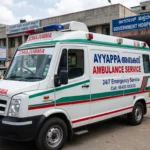
Transporting the deceased with dignity is a paramount concern. A specialized vehicle is required for this purpose. You will need to contact a provider for a dead body ambulance service in Mumbai. These vehicles are equipped with freezer boxes or air conditioning to preserve the deceased, especially if there is a delay before the cremation can take place. It is advisable to call a reputable service like Ayyappa Ambulance as soon as the death certificate is in hand to ensure timely arrival.
The Complete Step-by-Step Guide to the Antim Sanskar Process
The Antim Sanskar is a series of rituals that guide the family and honor the deceased. While customs may vary slightly between communities, the core process remains consistent.
- Preparation of the Body (At Home): The body is given a final bath with sacred water, sometimes mixed with herbs like sandalwood and tulsi. It is then dressed in new, clean clothes—typically a white shroud for men and a traditional sari for married women. A ‘pinda’ (rice ball) may be placed in the mouth, symbolizing sustenance for the soul’s journey.
- Arranging the Bier (Arthi): A bier, traditionally made of bamboo, is prepared. The body is laid upon it, with the head facing south. Family members offer flowers and prayers before the final journey begins.
- The Last Journey (Antim Yatra): This is the procession from the home to the cremation ground. The bier is carried on the shoulders of close male relatives. Chants like ‘Ram Naam Satya Hai’ are recited, reminding everyone of the ultimate truth of life and death. This journey is a public acknowledgment of the departure of a community member.
- Arrival at the Crematorium: Upon reaching the crematorium, such as the Worli Crematorium or Shivaji Park Crematorium, the necessary paperwork (the death certificate) is submitted to the authorities. The priest (pandit) begins the pre-cremation rituals.
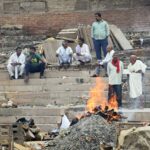
- The Final Rites at the Crematorium: The body is placed on the pyre with the feet pointing south. The chief mourner (usually the eldest son) performs the ‘Mukhagni’, the ritual of lighting the pyre, after circumambulating it. This act symbolizes the severing of earthly ties and the release of the soul.
- During the Cremation: Family members wait until the cremation is complete. This is a time for quiet reflection and mutual support. The process can take two to three hours. Modern crematoriums in Mumbai offer electric or gas-based options which are quicker and more environmentally friendly.
- Collection of Ashes (Asthi Sanchay): On the third or fourth day after cremation, the family returns to collect the ashes and bone fragments. These are considered sacred and are placed in an urn.
- Immersion of Ashes (Asthi Visarjan): The ashes are then immersed in a holy river like the Ganges or at a sacred coastal location. This final act symbolizes the return of the physical elements to nature, completing the cycle.
Expert Insight: Many families, understandably focused on the rituals, often overlook the logistical complexities of Mumbai. The single most common point of delay is not the ritual itself, but the travel time and paperwork. A 15-kilometer journey from a suburb like Borivali to a crematorium in the city center can easily take over 90 minutes during peak hours. Furthermore, an incorrectly filled or unsigned death certificate can bring the entire process to a halt at the crematorium gate. A professional service like Ayyappa Ambulance pre-verifies documents over the phone and uses real-time traffic data to plan the most efficient route for the Antim Yatra, ensuring the journey is as smooth and dignified as possible.
Community-Specific Antim Sanskar Practices in Mumbai
Mumbai’s diverse population means that while the core tenets of Antim Sanskar are shared, specific customs can vary. Understanding these nuances is part of providing respectful and comprehensive funeral and cremation services.
Gujarati and Marwadi Communities
These communities often have specific rituals involving ‘bhajans’ (devotional songs) sung during the waiting period at home. The pre-procession ceremonies can be elaborate, and there is a strong emphasis on community support, with members of the ‘samaj’ gathering to assist the family.
Marathi Community
In Marathi traditions, the rituals are often aligned closely with Vedic scriptures. There may be specific customs regarding the direction the body is carried and the types of offerings made during the pyre ceremony. The post-cremation ‘shraddha’ ceremonies are observed with great diligence.
Bauddha (Buddhist) Community
While not a ‘sanskar’ in the Hindu sense, the final rites in Mumbai’s Buddhist community involve chanting specific suttas (sermons) by monks or community elders. The focus is on impermanence and the peaceful transition of consciousness. Cremation is common, followed by simple ceremonies.
North Indian (Bhaiya) Community
For the large North Indian population in Mumbai, rituals often mirror those practiced in their native regions, such as Uttar Pradesh or Bihar. This may include specific types of ‘daan’ (charity) performed in the name of the deceased before the procession begins.
Common Mistakes to Avoid During This Difficult Time
In a state of grief, it’s easy to overlook important details. Being aware of common pitfalls can help prevent additional stress.
- Delaying the Death Certificate: Do not postpone calling a doctor. The entire process hinges on this single document. Without it, you cannot book a time at the crematorium or even transport the deceased legally.
- Using a Personal Vehicle: Transporting a deceased person in a private car is not only undignified but also against regulations in many cases. It lacks the necessary facilities and can lead to legal complications. Always use a certified hearse or funeral ambulance.
- Not Checking Crematorium Timings: Crematoriums in Mumbai have specific operating hours. Assuming they are open 24/7 can lead to long, distressing waits. Always call ahead or have your funeral service provider confirm the slot.
- Forgetting to Arrange for a Pandit: If you require a priest to conduct the rituals, it’s important to arrange for one in advance. Many funeral service providers can help coordinate this.
| Service Type | Key Features | Best For | Typical Cost Range (INR) | Availability |
|---|---|---|---|---|
| Basic Hearse Van | Non-AC, basic stretcher, space for 2-3 mourners. | Short-distance transport within the city when preservation is not a concern. | ₹2,500 – ₹4,500 | Widely available |
| AC Mortuary Ambulance | Air-conditioned body compartment to slow decomposition. | Longer waiting periods before cremation or transport in hot weather. | ₹4,000 – ₹6,500 | Readily available |
| Freezer Box Ambulance | Equipped with a mortuary freezer box (-5°C to -15°C). | Overnight preservation at home or when cremation is delayed by more than 8-10 hours. | ₹6,000 – ₹9,000 | Specialized providers |
| Outstation Repatriation Ambulance | Long-distance vehicle with freezer, permits, and two drivers. | Transporting the deceased to another city or state for final rites. | ₹15 – ₹25 per km (round trip) | Requires booking |
| Air Cargo Repatriation | Coordination for embalming, coffin, and airline clearance. | Transporting the deceased internationally or to distant parts of India. | Varies significantly by destination | Specialized service |
When to Call for Professional Help
It is advisable to seek professional help immediately after a doctor has officially confirmed the passing. A comprehensive funeral service provider can manage all the logistics, allowing the family to focus on their grief and the rituals. You should call for professional assistance if:
- You are unsure about the documentation process.
- You need to transport the deceased from a hospital or home.
- The cremation needs to be delayed, and you require preservation facilities (like a freezer box).
- You need to arrange transport to a different city or state.
- You need assistance coordinating with the crematorium and arranging for a priest.
In these moments, a reliable partner is invaluable. For dignified and prompt support with all aspects of the Antim Sanskar journey, including specialized vehicles and guidance, Ayyappa Ambulance offers dedicated Antim Sanskar Seva in Mumbai.
Emerging Trends in Funeral Services
Even sacred traditions adapt to modern realities. In recent years, several trends have emerged in how funeral services are conducted in metropolitan areas like Mumbai, driven by technology, environmental awareness, and changing social norms.
One of the most significant shifts is the move towards digitalization. The process of obtaining and verifying a death certificate is becoming more streamlined with integration into platforms like DigiLocker. Some municipal corporations are piloting online booking systems for crematorium slots, which helps reduce waiting times and provides transparency. This digital shift, accelerated by the need for efficient documentation, is a welcome change for grieving families, as noted in recent public health management discussions by the Ministry of Health and Family Welfare.
Environmental consciousness is also shaping final rites. There is a growing preference for electric or gas-based cremations over traditional wood pyres, which consumes significant resources. Some organizations are also promoting the use of cow-dung logs and other biomass fuels as a more sustainable alternative. These ‘green cremations’ are not only better for the environment but are often more cost-effective.
Finally, the rise of professional, end-to-end funeral management services is a major trend. Families are increasingly turning to single-point-of-contact providers who can handle everything from ambulance transport and freezer boxes to arranging for a priest, booking the crematorium, and even assisting with post-cremation ceremonies. This professionalization of the sector ensures that every aspect is handled with efficiency and compassion, relieving the family of logistical burdens during their time of loss.
Disclaimer: This content is for informational purposes only and does not constitute professional emergency services advice. Always consult a qualified professional before making emergency services decisions.
This article has been reviewed for accuracy by a qualified emergency medical services professional.
Frequently Asked Questions About Antim Sanskar
What is the significance of ‘Mukhagni’?
‘Mukhagni’ is the ritual where the chief mourner, typically the eldest son, lights the funeral pyre. This act symbolizes the severing of the soul’s attachment to its earthly body. It is a powerful and poignant moment that signifies the start of the body’s return to the five elements (Pancha Tattvas) and the soul’s onward journey.
What is ‘Asthi Visarjan’?
‘Asthi Visarjan’ is the sacred ritual of immersing the collected ashes and bone fragments of the deceased into a holy body of water, such as the Ganges river or the sea. This final act symbolizes the release of the soul and the return of the last physical remains to nature, providing a sense of closure for the family.
How do I obtain a death certificate in Mumbai?
If the death occurs in a hospital, the administration will provide the Medical Cause of Death Certificate. If at home, you must call a registered medical practitioner to certify the death and issue the certificate. This document is then submitted to the crematorium, which typically facilitates the official death registration with the Municipal Corporation of Greater Mumbai (MCGM).
How do I book a funeral ambulance in Mumbai?
To book a funeral ambulance, you can call a dedicated service provider like Ayyappa Ambulance directly. You will need to provide your location, the destination (crematorium), and confirm that you have the Medical Cause of Death Certificate. It is best to call as soon as possible to ensure the vehicle reaches you in a timely manner.
Why does Antim Sanskar matter?
Antim Sanskar matters both spiritually and emotionally. Spiritually, it is believed to be essential for liberating the soul from the cycle of rebirth. Emotionally, the structured rituals provide a framework for the family to process their grief, express their love and respect for the deceased, and find a sense of community and closure during a painful time.
What is the difference between a hearse and a mortuary ambulance?
A hearse is a basic vehicle designed for transporting the deceased, often without cooling facilities. A mortuary ambulance, on the other hand, is equipped with an air-conditioning system or a freezer box. This is crucial for preserving the body, especially if there are delays before cremation or during long-distance transport, ensuring dignity is maintained.
Is hiring a professional funeral service worth it?
Yes, for most families, it is incredibly worthwhile. During a time of immense emotional distress, a professional service handles all the complex logistics: paperwork, transportation, crematorium coordination, and other arrangements. This allows the family to focus entirely on grieving and performing the rituals without the added stress of administrative tasks, which can be especially challenging in a city like Mumbai.
What are the current best practices for arranging a funeral in Mumbai?
Current best practices include securing the death certificate immediately, using a professional and certified funeral ambulance for transport, and pre-verifying the slot and requirements with the chosen crematorium. Opting for an end-to-end service that can manage all these aspects is highly recommended to ensure a dignified, smooth, and respectful process for the departed and the grieving family.