
Cardiac Ambulance Services in India: A Lifesaving Transport Guide
Disclaimer: This content is for informational purposes only and does not constitute professional finance advice. Always consult a qualified professional before making finance decisions.
Last updated: 2025
Cardiac ambulance refers to a specialized emergency medical vehicle equipped with advanced life support (ALS) systems and trained medical personnel to manage and transport patients experiencing heart-related emergencies.
These ambulances are crucial in India for providing immediate, on-site medical intervention, stabilizing patients, and ensuring safe transit to a cardiac care facility, significantly improving survival rates for conditions like heart attacks or cardiac arrest.
- Equipped with defibrillators, ECG machines, and advanced medications.
- Staffed by paramedics or doctors trained in Advanced Cardiac Life Support (ACLS).
- Aims to reduce the critical ‘golden hour’ impact on cardiac patients.
Key Takeaways
Understanding the role of a cardiac ambulance is paramount for anyone in India, especially given the rising incidence of cardiovascular diseases. These specialized units are not merely transport vehicles; they are mobile intensive care units designed to provide immediate, expert medical intervention for heart emergencies. Their advanced equipment and highly trained personnel are critical factors in improving patient outcomes during the crucial initial hours of a cardiac event. Knowing what to expect and how to access these services can make a tangible difference in a crisis.
What Is a Cardiac Ambulance?
A cardiac ambulance, often referred to as an Advanced Life Support (ALS) ambulance, is a dedicated emergency vehicle specifically outfitted to handle acute cardiac emergencies. Unlike Basic Life Support (BLS) ambulances, which provide fundamental medical care and transport, a cardiac ambulance carries specialized equipment and is staffed by medical professionals capable of delivering advanced interventions. This includes administering critical medications, performing defibrillation, and continuous monitoring of vital signs.
In India, the availability and rapid deployment of a CardiacAmbulanceService can be a decisive factor in patient survival. These units are designed to bring hospital-level cardiac care directly to the patient’s location, minimizing delays in treatment that are often fatal in heart-related incidents. The focus is on stabilizing the patient, managing symptoms, and initiating treatment protocols even before reaching a hospital, thereby bridging the gap between the emergency site and definitive medical care.
Why Specialized Cardiac Ambulances Matter
The importance of specialized cardiac ambulances cannot be overstated, particularly in a country like India where cardiovascular diseases are a significant health concern. According to a 2019 study published in The Lancet Global Health, cardiovascular diseases were responsible for 28.1% of all deaths in India, highlighting the critical need for rapid and effective emergency response. Specialized cardiac ambulances are equipped to address the unique challenges posed by heart emergencies, offering several measurable advantages:
- Improved Survival Rates: Timely intervention with advanced equipment like defibrillators and cardiac monitors can significantly increase the chances of survival for patients experiencing cardiac arrest. Evidence suggests that for every minute delay in defibrillation, the chance of survival decreases by 7-10%.
- Reduced Morbidity: Beyond survival, prompt and appropriate care can minimize long-term damage to the heart muscle, leading to better recovery and quality of life.
- On-site Stabilization: Paramedics or doctors can administer critical medications, manage arrhythmias, and stabilize the patient’s condition at the scene, preventing deterioration during transport.
- Continuous Monitoring: Patients receive constant ECG monitoring and vital sign assessment, allowing for immediate adjustments to treatment based on their evolving condition.
A cardiac ambulance provides Lifesaving Transport, ensuring that patients receive the highest level of care from the moment the emergency call is made. This proactive approach is vital for Heart Emergencies CardiacAmbulanceServices across India.
How Cardiac Ambulances Operate
The operation of a cardiac ambulance is a meticulously coordinated process designed for speed and efficiency, ensuring that patients receive critical care without delay. From the moment an emergency call is received, a series of protocols are activated to dispatch the nearest available cardiac ambulance, staffed with a specialized medical team.
Cardiac Ambulance Service
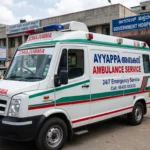
A dedicated Cardiac Ambulance Service typically operates 24/7, with dispatch centers equipped to handle high-priority calls. When you contact an emergency number, trained operators assess the situation to determine if a cardiac ambulance is required. This assessment is crucial, as it ensures the right resources are deployed for the specific medical emergency. For instance, in Mumbai, services like Ayyappa Ambulance’s Cardiac Ambulance Service in Mumbai prioritize rapid response for suspected cardiac events. The team typically includes a doctor or an Advanced Cardiac Life Support (ACLS) certified paramedic, along with an emergency medical technician (EMT) and a driver. This team is trained to perform initial assessments, administer first aid, and prepare the patient for transport while continuously monitoring their condition.
Cardiac Ambulance Facilities
The facilities within a cardiac ambulance are what differentiate it from a standard ambulance. These vehicles are essentially mobile intensive care units. Key equipment includes:
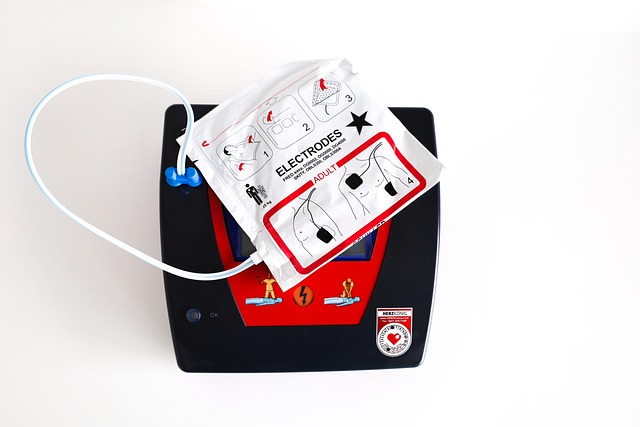
- Defibrillator/Monitor: Capable of delivering electrical shocks to restore normal heart rhythm and continuously monitoring the patient’s ECG.
- Ventilator: For patients who require respiratory support.
- Oxygen Delivery Systems: Including oxygen cylinders and masks.
- Advanced Medications: A comprehensive range of cardiac drugs, including thrombolytics, antiarrhythmics, and pain management medications.
- Intravenous (IV) Equipment: For fluid administration and drug delivery.
- Suction Apparatus: To clear airways.
- Spinal Immobilization Devices: Though primarily for trauma, these can be crucial if a fall accompanies a cardiac event.
The presence of such Advanced Life support equipment allows the medical team to manage complex cardiac conditions effectively on the move, providing critical care that can prevent further deterioration.
Cardiac Ambulance Price
The price of a cardiac ambulance service in India can vary significantly based on several factors, including the distance of transport, the specific services required (e.g., ventilator support, specific medications), the city (e.g., Mumbai vs. Panchkula), and the provider. Typically, cardiac ambulance services are more expensive than basic life support (BLS) ambulances due to the specialized equipment and highly trained personnel involved. In major metropolitan areas like Mumbai, prices may range from INR 3,000 to INR 15,000 or more for inter-city transfers, while within city limits, it might be lower. It is advisable to inquire about the pricing structure, including any hidden costs, when booking. Some services may offer packages or have tie-ups with hospitals. It’s important to remember that while cost is a factor, the quality and speed of service are paramount in a cardiac emergency. Many providers, like Ayyappa Ambulance, strive to balance affordability with high-quality, rapid response.
Common Misconceptions about Cardiac Emergencies
Several misconceptions can delay appropriate action during a cardiac emergency, potentially leading to adverse outcomes. One common belief is that all chest pain indicates a heart attack; while it can, other conditions also cause chest pain. However, it is always safer to assume the worst and seek immediate medical attention. Another misconception is that one can simply drive a person experiencing a heart attack to the hospital faster than an ambulance. While personal vehicles might seem quicker in some scenarios, they lack the critical medical equipment and trained personnel found in a cardiac ambulance. A patient transported by a personal vehicle misses out on vital pre-hospital care, such as ECG monitoring, oxygen administration, and immediate defibrillation, which can be lifesaving.
Furthermore, some individuals believe that if they feel better after a few minutes, the emergency has passed. Cardiac symptoms can wax and wane, and a temporary improvement does not negate the underlying issue. Delaying professional medical evaluation can be extremely dangerous. It is also a misconception that only older individuals are susceptible to heart attacks; increasingly, younger populations in India are experiencing cardiac events due to lifestyle factors, stress, and genetic predispositions. Recognizing these common errors can help ensure a swift and appropriate response.
Real-World Impact: Timely Cardiac Transport
The real-world impact of a prompt cardiac ambulance response is evident in countless cases across India. Consider a hypothetical scenario in Mumbai: a 55-year-old individual, Mr. Sharma, experiences sudden, severe chest pain and shortness of breath at his residence. His family immediately calls for a cardiac ambulance, specifically requesting an Advanced Life Support (ALS) unit. Within minutes, the emergency ambulance services in Mumbai dispatch a CardiacAmbulance. Upon arrival, the paramedic team quickly assesses Mr. Sharma, performs an on-site electrocardiogram (ECG) which confirms a heart attack, and administers aspirin and nitroglycerin. They establish an IV line, provide oxygen, and prepare him for transport while continuously monitoring his vital signs. This rapid, pre-hospital intervention stabilizes Mr. Sharma, preventing further damage to his heart muscle during the critical journey to a specialized cardiac hospital. Without the specialized equipment and trained personnel of the cardiac ambulance, the delay in receiving these initial treatments could have led to a significantly worse outcome, potentially irreversible heart damage or even fatality. This demonstrates how a dedicated cardiac ambulance provides Lifesaving Transport, making a tangible difference in patient outcomes.
Expert Insight: While the immediate focus during a cardiac emergency is often on rapid transport, a counterintuitive truth is that the quality of pre-hospital care provided *before* reaching the hospital often dictates the patient’s long-term prognosis more than the speed of arrival alone. A patient receiving high-quality, protocol-driven care in a well-equipped cardiac ambulance, even if transport takes slightly longer due to traffic, typically fares better than one rushed to a hospital in a basic vehicle without any on-route medical intervention.
Emerging Trends in Cardiac Emergency Response
The landscape of cardiac emergency response in India is changing, driven by technological advancements, improved training, and a growing understanding of pre-hospital care. Several emerging trends are poised to further enhance the effectiveness of cardiac ambulance services. One significant trend is the integration of Artificial Intelligence (AI) in dispatch systems. AI algorithms can analyze call data, traffic patterns, and ambulance locations to predict the fastest route and dispatch the most appropriate cardiac ambulance, potentially reducing response times by up to 15% in urban areas. This predictive capability helps optimize resource allocation, ensuring that specialized units reach patients more swiftly.
Another key development is the increasing adoption of telemedicine and remote monitoring capabilities within ambulances. Paramedics can now transmit real-time ECG data and other vital signs directly to hospital cardiologists while en route. This allows hospital teams to prepare for the patient’s arrival, activate cath lab teams, and even provide remote guidance to the ambulance crew, effectively extending the hospital’s expertise to the pre-hospital setting. This seamless data flow can shave off critical minutes in diagnosis and treatment initiation upon hospital arrival.
Furthermore, there’s a growing emphasis on community-level training in basic life support (BLS) and automated external defibrillator (AED) usage. While not directly part of ambulance services, a more informed public can initiate immediate bystander CPR, which is crucial for improving outcomes in cardiac arrest before the ambulance arrives. Regulatory shifts are also pushing for standardized training and equipment mandates for all ALS ambulances, ensuring a consistent level of care across different providers and regions in India. This includes stricter guidelines for the maintenance and calibration of medical devices, ensuring their reliability during critical moments. These trends collectively aim to create a more integrated, efficient, and ultimately more lifesaving cardiac emergency response ecosystem.
| Option | Return Potential | Risk Level | Min. Investment | Liquidity | Best For | |||||
|---|---|---|---|---|---|
| Cardiac Ambulance (ALS) | High (specialized care, improved outcomes) | Low (medical supervision) | Moderate (service fee) | Immediate (on-site care) | Confirmed or suspected cardiac emergencies |
| Basic Life Support (BLS) Ambulance | Moderate (basic care, transport) | Moderate (limited intervention) | Low (service fee) | Immediate (transport) | Non-critical medical transport, minor injuries |
| Personal Vehicle | Low (no medical care) | High (risk of deterioration, no intervention) | Very Low (fuel) | Immediate (self-driven) | Non-emergency transport, stable conditions |
| Public Transport (Taxi/Auto) | Very Low (no medical care, delays) | Very High (unsuitable for emergencies) | Very Low (fare) | Variable (traffic dependent) | Non-medical transport, stable conditions |
| Air Ambulance | Very High (rapid long-distance transport) | Low (intensive care during flight) | Very High (significant cost) | Immediate (if available) | Critical long-distance transfers, remote locations |
FAQ
How Emergency Ambulance Services Improve Survival Rates in Cardiac Arrest?
Emergency ambulance services, especially cardiac ambulances, improve survival rates by providing rapid response, immediate advanced medical interventions like defibrillation and medication, and continuous monitoring during transport. This pre-hospital care stabilizes the patient, minimizes heart damage, and ensures a quicker transition to definitive hospital treatment, significantly increasing the chances of a positive outcome compared to delayed or unspecialized transport.
What To Do While Waiting For An Ambulance For A Cardiac Arrest?
While waiting for a cardiac ambulance for a suspected cardiac arrest, immediately initiate chest compressions (CPR) if you are trained. If an Automated External Defibrillator (AED) is available, use it as per instructions. Ensure the patient is in a safe, flat position. Loosen any tight clothing. Do not give food or drink. Stay on the phone with the emergency dispatcher, providing updates and following any instructions they give until the medical team arrives.
Why Choosing the Right Ambulance Matters in a Medical Emergency?
Choosing the right ambulance is crucial because different emergencies require different levels of care. For a cardiac event, a specialized cardiac (ALS) ambulance provides advanced equipment and trained personnel for life-saving interventions like defibrillation and medication administration. A basic ambulance may lack these, leading to critical delays in treatment. The appropriate choice ensures the patient receives the specific care needed from the outset, directly impacting survival and recovery.
When is it futile for ambulance personnel to initiate cardiopulmonary resuscitation?
According to a study published in PMC, it may be futile for ambulance personnel to initiate CPR in specific circumstances, such as when there are definitive signs of irreversible death (e.g., rigor mortis, dependent lividity, decapitation), or when a valid ‘Do Not Resuscitate’ (DNR) order is presented. Protocols vary by region and service, but generally, CPR is not initiated if there’s no chance of survival or if it goes against the patient’s documented wishes.
What is the ‘golden hour’ in cardiac emergencies?
The ‘golden hour’ refers to the critical first 60 minutes following a severe injury or medical event, particularly a heart attack. During this period, prompt medical intervention is most likely to prevent death and reduce the severity of complications. For cardiac emergencies, rapid diagnosis and initiation of treatment, often facilitated by a cardiac ambulance, are paramount to preserving heart muscle and improving patient outcomes.
How quickly can a cardiac ambulance reach me in Mumbai?
Response times for cardiac ambulances in Mumbai can vary based on traffic conditions, distance, and the specific service provider. Typically, reputable services aim for a response time of 15-30 minutes within city limits for high-priority calls. Factors like time of day and location within Mumbai (e.g., congested areas vs. suburbs) can influence this. Always provide a precise address and clear landmarks to the dispatcher to expedite arrival.
What is the difference between a BLS and ALS ambulance?
A Basic Life Support (BLS) ambulance provides fundamental medical care, including basic first aid, oxygen, and transport, staffed by EMTs. An Advanced Life Support (ALS) ambulance, often a cardiac ambulance, offers a higher level of care with advanced equipment like defibrillators, ventilators, and a wider range of medications. ALS ambulances are staffed by paramedics or doctors trained in advanced cardiac life support, capable of performing invasive procedures.
What are the best practices for calling a cardiac ambulance in 2025?
In 2025, best practices for calling a cardiac ambulance include knowing your local emergency number, clearly stating the nature of the emergency (e.g., ‘suspected heart attack’), providing an exact address with landmarks, and staying calm to answer dispatcher questions. If possible, have someone meet the ambulance. Consider using apps that integrate with emergency services for faster location sharing. Always prioritize calling over self-transport for cardiac events.
When to Call for a Cardiac Ambulance
It is imperative to call for a cardiac ambulance immediately if you or someone you are with experiences symptoms indicative of a heart attack or cardiac arrest. These symptoms may include:
- Chest pain or discomfort that lasts more than a few minutes, or goes away and comes back. It may feel like pressure, squeezing, fullness, or pain.
- Pain or discomfort in other areas of the upper body, such as one or both arms, the back, neck, jaw, or stomach.
- Shortness of breath, with or without chest discomfort.
- Other signs such as breaking out in a cold sweat, nausea, lightheadedness, or sudden weakness.
- Sudden collapse and unresponsiveness (indicative of cardiac arrest).
Do not delay calling for help, even if you are unsure if it’s a heart attack. Time is muscle, and prompt medical attention can save lives and minimize damage. For any suspected Heart Emergencies CardiacAmbulanceServices, dial your local emergency number without hesitation. In Mumbai, for instance, you can learn how to book an emergency ambulance in Mumbai quickly.
What to Do Next
After understanding the critical role of cardiac ambulances, your next steps should focus on preparedness and informed decision-making. Familiarize yourself with the emergency medical services available in your area, particularly specialized cardiac ambulance providers. Keep emergency contact numbers readily accessible. Consider discussing emergency protocols with your family, especially if there are individuals with pre-existing cardiac conditions. For expert finance support in India, Ayyappa Ambulance provides reliable and swift emergency medical transport, including specialized cardiac care. We encourage you to explore our resources on understanding ambulance services in India to make informed choices for your family’s safety.
to close
The availability and efficient deployment of a cardiac ambulance are critical components of a robust emergency healthcare system in India. These specialized units, with their Advanced Life support equipment and highly trained personnel, offer the best chance for survival and recovery during heart emergencies. Understanding their function, facilities, and how to access them is not just knowledge; it’s a potential lifeline. Prioritizing rapid, specialized medical transport for cardiac events can make a profound difference in patient outcomes, reinforcing the value of services like those provided by Ayyappa Ambulance.
Author Note: This content was reviewed by a qualified medical professional to ensure accuracy and adherence to current emergency medical guidelines.