
Understanding Ambulance Services in India: Your Comprehensive Guide
Disclaimer: This content is for informational purposes only and does not constitute professional health advice. Always consult a qualified professional before making health decisions.
Last updated: 2025
Ambulance service in India refers to the provision of emergency medical transport and pre-hospital care for patients requiring urgent medical attention. These services are critical for ensuring timely access to healthcare facilities, especially during medical emergencies like accidents, heart attacks, or strokes.
When facing a medical crisis, understanding how to access and utilize an ambulance service can significantly impact patient outcomes. Services range from basic life support to advanced cardiac care, equipped with trained medical personnel and essential equipment to stabilize patients en route to the hospital.
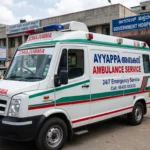
- Ayyappa Ambulance offers comprehensive medical transport solutions across India.
- Emergency ambulance services are vital for rapid response to critical medical situations.
- Services include Basic Life Support (BLS), Advanced Life Support (ALS), and specialized patient transport.
Overview and Operations
In India, an ambulance service is a vital component of the healthcare infrastructure, designed to provide immediate medical assistance and transportation to individuals experiencing medical emergencies. These services operate on a tiered system, with different levels of care and equipment available depending on the patient’s condition and the type of ambulance dispatched. The primary goal is to bridge the gap between the point of medical need and definitive medical care at a hospital. This involves not only rapid transport but also crucial pre-hospital interventions that can stabilize a patient and improve their chances of survival and recovery. The operational framework typically involves a central dispatch system that receives emergency calls, assesses the situation, and dispatches the nearest appropriate ambulance. Coordination with hospitals is also paramount to ensure a smooth handover of the patient and continuity of care.
Coverage and Jurisdiction
The coverage and jurisdiction of ambulance services in India vary significantly. Publicly funded services, often managed by state or municipal health departments, typically operate within specific geographical boundaries, such as cities or districts. Private ambulance providers, like Ayyappa Ambulance, often offer broader coverage, extending services across states and even providing inter-state patient transfers. The reach of these services is a critical factor, especially in a country as vast as India, where rural and remote areas may have limited access to emergency medical facilities. Understanding the service area of a particular provider is essential for individuals seeking timely assistance. For instance, while a local service might be quick to respond within a city, a longer-distance transfer might require a provider with a wider operational network.
Service Portfolio
The service portfolio of an ambulance service provider in India is diverse, catering to a wide spectrum of medical needs. This typically includes:
- Basic Life Support (BLS) Ambulances: Equipped for non-critical patients requiring basic medical assistance, such as oxygen, first aid, and transport. These are often staffed by trained paramedics or emergency medical technicians (EMTs).
- Advanced Life Support (ALS) Ambulances: These are essentially mobile intensive care units, staffed by doctors and highly trained nurses. They are equipped with advanced medical equipment like ventilators, cardiac monitors, defibrillators, and medications to manage critical patients, including those with cardiac arrest, severe trauma, or respiratory distress.
- Cardiac Ambulances: Specifically designed for patients with heart conditions, equipped with advanced cardiac monitoring and life-saving equipment.
- ICU Ambulances: Similar to ALS, these provide a high level of critical care during transit, suitable for patients who are critically ill and require continuous intensive monitoring and intervention.
- Patient Transfer Services: For non-emergency transfers between hospitals, from home to hospital, or for medical appointments. These services prioritize patient comfort and safety during transit.
- Specialty Transport: Including neonatal or pediatric ambulances for the transport of vulnerable young patients, requiring specialized equipment and trained staff.
- Dead Body Transport/Freezer Box Ambulances: Services for the respectful and safe transportation of deceased individuals, often equipped with refrigeration facilities. What Is A Freezer Box Ambulance Complete Guide For Mumbai Families provides more detail on this specialized service.
The availability and specific offerings can vary greatly between providers. For example, Ayyappa Ambulance aims to offer a comprehensive range of services to meet diverse patient needs across India.
Fleet and Infrastructure
The fleet and infrastructure of an ambulance service are critical determinants of its operational capability and the quality of care it can provide. A well-equipped fleet comprises various types of ambulances, each outfitted with specific medical devices and supplies. This includes ventilators, ECG machines, defibrillators, oxygen cylinders, suction machines, and a comprehensive range of emergency medications. The vehicles themselves are often designed for smooth transit, with advanced suspension systems to minimize patient discomfort. Beyond the vehicles, robust infrastructure includes well-maintained bases or stations for ambulances, communication systems for dispatch and coordination, and often, dedicated workshops for vehicle maintenance. The technological backbone, including GPS tracking and communication software, ensures efficient dispatch and real-time monitoring of ambulance locations and status. This infrastructure is essential for ensuring that ambulances are readily available and in optimal working condition when needed.
Historical Development
The concept of organized medical transport has evolved significantly over centuries. Early forms of ambulances were rudimentary, often horse-drawn carts used to transport the wounded from battlefields, notably during the Napoleonic Wars with the introduction of ‘flying ambulances’ by Dominique Jean Larrey. In India, the development of modern ambulance services is closely tied to the establishment of formal healthcare systems and the influence of Western medical practices during the colonial era. Initially, services were limited and primarily available in major cities, often run by charitable organizations or government hospitals. The post-independence era saw a gradual expansion, with increasing recognition of the need for organized emergency medical services. The late 20th and early 21st centuries have witnessed a significant transformation, driven by technological advancements, increased private sector participation, and a growing awareness of the importance of pre-hospital care. The integration of communication technologies like mobile phones and GPS has revolutionized dispatch and response times, making services more efficient and accessible across the country. The journey from basic transport to sophisticated mobile medical units reflects a growing commitment to improving healthcare accessibility and patient outcomes in India.
Predecessor Organizations
While specific predecessor organizations for every modern ambulance service in India are difficult to pinpoint due to the fragmented nature of early medical aid, historical accounts suggest that initial efforts were often spearheaded by charitable trusts, religious organizations, and municipal bodies. For instance, in major cities like Kolkata, Mumbai, and Delhi, philanthropic societies and hospitals often operated rudimentary transport services for the sick and injured. These were not always formal ambulance services as we understand them today but served the crucial function of moving patients to medical facilities. The Red Cross and St. John Ambulance organizations have also played a significant role in the historical development of emergency medical services and first aid training in India, laying groundwork for more organized approaches to patient care and transport.
Establishment and Integration
The establishment and integration of ambulance services in India have been a gradual process. Early services were often ad-hoc, established by individual hospitals or local authorities. The formalization and integration into a cohesive network gained momentum with government initiatives aimed at strengthening healthcare infrastructure. The National Health Mission (NHM), launched in 2005, has been instrumental in improving emergency medical services, including the expansion of ambulance networks, particularly in rural areas through schemes like the 108 ambulance service in many states. Private players have also emerged, filling gaps in service provision and introducing advanced medical transport solutions. The integration process involves linking ambulance dispatch centers with hospitals, emergency response systems (like the national emergency number 112), and other healthcare providers to ensure seamless patient care pathways. Effective integration requires standardized protocols, interoperable communication systems, and collaborative efforts between public and private entities. How Ayyappa Ambulance Supports Every Family highlights the commitment to integrating services for broader community benefit.
Major Restructuring Events
Major restructuring events in India’s ambulance services have often been driven by policy changes, technological advancements, and the need to improve efficiency and accessibility. The introduction of the 108-service model, a public-private partnership that standardized emergency medical response across many states, represented a significant restructuring. This model aimed to consolidate resources, improve response times, and ensure a more uniform standard of care. Another key development has been the increasing adoption of Advanced Life Support (ALS) ambulances and specialized transport services, reflecting a shift from basic transport to comprehensive pre-hospital care. The ongoing integration of the national emergency number (112) with various emergency services, including ambulances, is also a form of restructuring aimed at simplifying access for citizens. Furthermore, the COVID-19 pandemic necessitated rapid scaling and restructuring of ambulance services to manage the surge in critical patients, leading to innovations in patient management and transport protocols.
Governance and Administration
The governance and administration of ambulance services in India are multifaceted, involving various stakeholders from government bodies to private operators. At the national level, the Ministry of Health and Family Welfare sets broad policy guidelines. State health departments and district administrations are typically responsible for the oversight and management of public ambulance services within their jurisdictions. This includes resource allocation, service standards, and regulatory compliance. For privately operated services, governance structures are determined by the companies themselves, often adhering to industry best practices and regulatory requirements set by bodies like the National Accreditation Board for Hospitals & Healthcare Providers (NABH) or specific state transport authorities. Key administrative functions include fleet management, staff recruitment and training, financial management, quality control, and public relations. Effective governance ensures accountability, transparency, and the consistent delivery of high-quality emergency medical services. Our Team at Ayyappa Ambulance is dedicated to upholding these principles.
Leadership Structure
The leadership structure within ambulance services in India can vary depending on whether the service is public or private. In government-run services, leadership often resides with senior health officials, such as Directors of Health Services, District Medical Officers, or program managers responsible for emergency medical services. These individuals oversee policy implementation, resource management, and operational efficiency. For private ambulance companies, the leadership typically comprises a CEO or Managing Director, supported by department heads responsible for operations, finance, human resources, and medical services. A Chief Medical Officer or Head of Medical Services often oversees clinical protocols and staff training. The structure aims to ensure clear lines of responsibility, efficient decision-making, and effective coordination across different operational units. The leadership’s role is crucial in setting the strategic direction, fostering a culture of quality care, and ensuring the organization’s responsiveness to community needs.
Regulatory Framework
The regulatory framework governing ambulance services in India is a complex interplay of national and state-level regulations. While there isn’t a single, overarching national law specifically for ambulance services, various acts and rules govern different aspects of their operation. These include the Motor Vehicles Act, which governs vehicle registration, licensing, and road safety; the Clinical Establishments (Registration and Regulation) Act, which mandates registration and standards for healthcare facilities, including ambulance services; and specific state-level rules concerning medical transport. The National Medical Commission (NMC) also plays a role in setting standards for medical professionals involved in pre-hospital care. Private operators must comply with company law and consumer protection regulations. Accreditation bodies like NABH provide voluntary standards that many private providers strive to achieve to demonstrate quality and safety. Ensuring compliance with this evolving regulatory landscape is crucial for maintaining operational legitimacy and public trust. Term Condition outlines our commitment to regulatory adherence.
Financial Management
Financial management is a critical aspect of operating an ambulance service, particularly given the high costs associated with maintaining a fleet, employing trained staff, and investing in advanced medical equipment. Publicly funded services rely on government budgets, which can sometimes be constrained, impacting service expansion and upgrades. Private providers operate on a fee-for-service model, with charges varying based on the type of ambulance, distance traveled, and services rendered. Effective financial management involves meticulous budgeting, cost control, revenue cycle management, and transparent accounting practices. Many private operators also engage in corporate social responsibility (CSR) initiatives or partnerships to subsidize services for underprivileged patients. For services like Ayyappa Ambulance, balancing operational sustainability with affordability and accessibility for all segments of society is a key financial challenge and objective.
Operational Performance
Operational performance in the context of an ambulance service is primarily measured by its ability to respond quickly and effectively to emergency calls. Key performance indicators (KPIs) include response times (the time taken from receiving a call to the ambulance arriving at the scene), patient outcomes (survival rates, reduction in morbidity), and the efficiency of patient transfer to definitive care. Factors influencing performance include the number and strategic placement of ambulances, the efficiency of the dispatch system, traffic conditions, road infrastructure, and the skill level of the medical crew. Continuous monitoring and analysis of these metrics allow service providers to identify areas for improvement, optimize resource allocation, and enhance overall service delivery. The goal is always to minimize the time between the onset of a medical emergency and the initiation of appropriate medical care, thereby maximizing the chances of a positive patient outcome.
Response Metrics and Targets
Response metrics and targets are crucial for evaluating and improving the efficiency of an ambulance service. Standard targets, often set by regulatory bodies or internal quality standards, typically focus on the time taken to reach the patient. For instance, a common target might be to reach 80% of emergency calls within 8-15 minutes in urban areas and 15-25 minutes in rural areas. These targets are influenced by factors like population density, geographical terrain, and traffic patterns. Beyond response time, other metrics include the time taken for handover at the hospital, the number of calls handled per ambulance per day, and patient satisfaction scores. Achieving these targets requires efficient dispatch systems, well-maintained fleets, adequate staffing, and effective traffic management strategies. Continuous data analysis helps in setting realistic targets and identifying bottlenecks in the operational workflow. Emergency Ambulance Services In Mumbai Your Guide To Swift M discusses the importance of swift responses.
Staffing and Workforce Dynamics
The staffing and workforce dynamics of an ambulance service are central to its ability to provide quality care. This includes recruiting, training, and retaining qualified personnel such as Emergency Medical Technicians (EMTs), paramedics, nurses, and doctors. The required qualifications and training vary based on the level of service provided (BLS vs. ALS). Continuous professional development is essential to keep staff updated on the latest medical protocols and technologies. Workforce dynamics also encompass scheduling, shift management, ensuring adequate staffing levels at all times, and managing the physical and emotional demands of the job. High turnover rates can be a challenge, necessitating robust HR policies and supportive work environments. The morale and well-being of the ambulance crew are paramount, as they are often the first point of contact for patients in critical situations. Our Team is comprised of dedicated and highly trained professionals.
Subcontracting Arrangements
Subcontracting arrangements in the ambulance service sector can occur for various reasons, such as managing peak demand, providing specialized services, or extending geographical reach. A larger service provider might subcontract certain non-emergency transfers or services in remote areas to smaller, local operators. In some cases, government contracts for ambulance services might be awarded to private companies, which may then subcontract parts of the operation. While subcontracting can offer flexibility and cost-efficiency, it also introduces complexities in terms of quality control, standardization of care, and accountability. It is crucial for the primary service provider to have stringent vetting processes for subcontractors and clear contractual agreements that ensure adherence to quality and safety standards. This ensures that the patient receives consistent, high-quality care regardless of who is providing the service. Blog Standard often covers operational nuances.
Quality Assurance and Regulation
Quality assurance and regulation are fundamental to ensuring that ambulance services operate safely and effectively, meeting the needs of patients. This involves establishing and adhering to strict protocols for patient care, vehicle maintenance, equipment calibration, and staff training. Regulatory bodies, such as state health departments and the Ministry of Health and Family Welfare, set standards and conduct inspections to ensure compliance. Accreditation from organizations like NABH provides an additional layer of quality assurance, signifying that a provider meets rigorous standards for patient safety, service delivery, and operational management. Continuous quality improvement (CQI) programs are essential, involving regular audits, performance reviews, and feedback mechanisms (including patient feedback) to identify and address any shortcomings. The aim is to create a culture of safety and excellence in every aspect of the service. Privacy Policy 2 details our commitment to ethical operations.
Controversies and Challenges
The operation of ambulance services in India is not without its controversies and challenges. One significant challenge is ensuring equitable access, particularly in rural and underserved areas where infrastructure and resources may be scarce. Another issue is the high cost of advanced medical transport, which can be prohibitive for many individuals, leading to concerns about affordability and accessibility. Instances of overcharging, lack of transparency in billing, and inadequate response times have also drawn criticism. The coordination between public and private services, as well as between different government agencies, can sometimes be inefficient, leading to delays in emergency response. Furthermore, the training and certification standards for ambulance personnel can vary, raising concerns about the quality of pre-hospital care. Addressing these challenges requires a concerted effort involving policy reforms, increased investment, improved regulation, and greater public awareness. Blog Standard often delves into these critical issues.
Recent Initiatives and Reforms
Recent initiatives and reforms in India’s ambulance sector are focused on enhancing accessibility, improving response times, and standardizing care. The push towards integrating emergency services under the national emergency number 112 aims to simplify access and improve coordination. Many states are strengthening their 108-ambulance services, introducing more Advanced Life Support (ALS) units and expanding coverage to remote regions. There’s also a growing emphasis on training and certification of Emergency Medical Technicians (EMTs) and paramedics to ensure a skilled workforce. Telemedicine integration is being explored to provide remote medical consultation during transit. Furthermore, the government is encouraging public-private partnerships to leverage private sector efficiency and investment in expanding ambulance networks. Initiatives to improve the tracking and management of ambulances through technology, like GPS and real-time data analytics, are also being implemented to boost operational performance. Ambulance Service In Mumbai showcases localized improvements.
Emerging Trends in Ambulance Services in India
The landscape of ambulance services in India is undergoing a significant transformation, driven by technological advancements and evolving healthcare needs. One of the most prominent emerging trends is the integration of Artificial Intelligence (AI) and data analytics for optimizing operations. AI algorithms can predict demand hotspots, optimize ambulance routing based on real-time traffic and incident data, and even assist in triage by analyzing caller information. This leads to faster response times and more efficient resource allocation. Telemedicine is another rapidly growing trend, allowing paramedics on the ambulance to connect with doctors remotely for real-time guidance, especially in critical cases or when specialized expertise is needed. This is particularly valuable in areas with a shortage of specialists. The development of specialized ambulances, such as those equipped for bariatric patients or advanced neonatal care, reflects a move towards more personalized and condition-specific transport solutions. Furthermore, there is a growing focus on patient experience, with providers investing in comfortable interiors, better communication systems, and more empathetic staff training. Regulatory reforms are also anticipated, potentially leading to more stringent national standards for training, equipment, and operational protocols, ensuring a higher and more consistent level of care across the country. The increasing use of advanced communication devices and real-time data sharing between ambulances, hospitals, and emergency control centers is also a key trend, creating a more connected and responsive emergency medical ecosystem. The COVID-19 pandemic also accelerated the adoption of stringent infection control protocols and specialized transport for infectious disease patients, a practice that is likely to continue influencing ambulance service operations.
References
For further information on ambulance services and emergency medical care in India, the following resources provide valuable insights:
- The National Health Mission (NHM) website provides details on government initiatives related to emergency medical services.
- Information on road safety and transport regulations can be found on the Ministry of Road Transport and Highways (MoRTH) website.
- The World Health Organization (WHO) offers global perspectives on emergency care systems.
- The Ministry of Health and Family Welfare is the primary government body overseeing health services in India.
To Deliver the Highest Level of Safety, Ambulance Services Abide by Safety Measures
Ensuring the highest level of safety for patients and staff is paramount in the operation of any ambulance service. This commitment translates into rigorous adherence to safety protocols at every stage, from dispatch to patient handover. Vehicles are regularly inspected and maintained to ensure they are in optimal working condition, equipped with functioning safety features like seatbelts, secure medical equipment mounts, and emergency lighting. Medical crews are trained in safe patient handling techniques to prevent injuries during lifting, moving, and securing patients within the ambulance. Strict infection control measures are implemented, including the use of personal protective equipment (PPE), thorough disinfection of the ambulance interior after each patient transport, and proper disposal of medical waste. Communication protocols are designed to ensure clear and concise information exchange between the ambulance crew, dispatchers, and hospital staff, minimizing the risk of errors. For critical patients, the use of advanced monitoring equipment and life support systems is carefully managed to ensure patient stability during transit. Providers like Ayyappa Ambulance prioritize these safety measures to guarantee the well-being of everyone involved.
Expert Insight: While rapid response is critical, the true measure of an ambulance service’s effectiveness lies not just in speed, but in the quality of care provided during transit. A slightly longer but more skilled intervention can often yield better patient outcomes than a rushed, less competent one.
Comparison of Ambulance Service Options in India
| Service Type | Effectiveness | Typical Cost (INR) | Who It Suits | Evidence Level | Key Considerations |
|---|---|---|---|---|---|
| Government/Public Ambulance (e.g., 108 Service) | Variable; often good for basic life support and inter-facility transfers in many states. ALS availability is increasing. | Low to Free (subsidized) | General public, especially in areas with strong public service presence. | Moderate | Response times can vary; availability might be limited in remote areas. |
| Private Ambulance Service (e.g., Ayyappa Ambulance) | Generally High; offers a range of services from BLS to ALS, specialized transport, and inter-state transfers. | Moderate to High (₹1500 – ₹10,000+ per trip, depending on service) | Patients requiring specific care levels, long-distance transfers, or immediate availability. | High | Wider availability, often faster response, more specialized equipment and trained staff. Booking in advance is advisable for non-emergencies. |
| Hospital-Based Ambulances | High for inter-facility transfers originating from or going to the parent hospital. | Moderate (often billed by the hospital) | Patients needing transfer to/from a specific hospital’s network. | Moderate | Coverage might be limited to the hospital’s service area. |
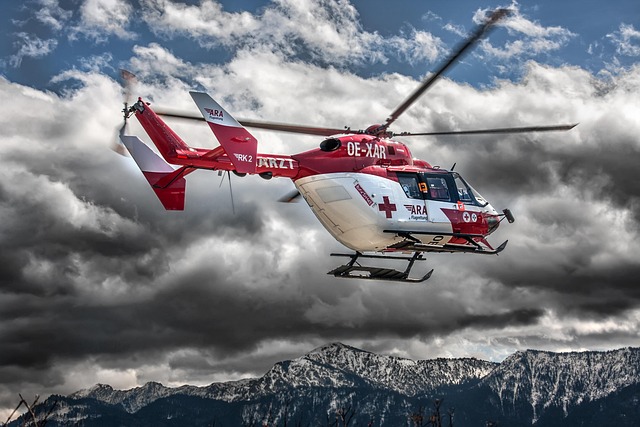
| Air Ambulance Services | Highest for critical, long-distance, or time-sensitive transfers where ground transport is impractical. | Very High (₹50,000 – ₹5,00,000+ per trip) | Critically ill patients requiring rapid, long-distance transport, often internationally. | High | Requires specialized infrastructure (helipads/airports) and medical teams. Primarily for life-threatening emergencies. |
| Freezer Box Ambulance | Specialized for safe and dignified transport of deceased individuals. | Moderate (₹2000 – ₹6000+ per trip) | Families needing to transport a deceased person, often over long distances or to specific locations. | N/A (Service Specific) | Ensures preservation during transit. What Is A Freezer Box Ambulance Complete Guide For Mumbai Families. |
Frequently Asked Questions
What is an ambulance service?
An ambulance service provides emergency medical transport and pre-hospital care to individuals experiencing medical emergencies. It involves dispatching trained personnel and equipped vehicles to the patient’s location to provide immediate medical assistance and safely transport them to a healthcare facility.
How do ambulances work in India?
In India, ambulances are typically accessed via emergency numbers like 108 or 112, or by directly contacting private providers. Upon receiving a call, a dispatch center assesses the situation and sends the nearest appropriate ambulance. The crew provides initial medical care and transports the patient to a hospital, coordinating with medical facilities for seamless handover.
How to book an ambulance in Mumbai?
To book an ambulance in Mumbai, you can dial the emergency number 108 or 112 for government-affiliated services. Alternatively, you can contact private providers like Ayyappa Ambulance directly. For non-emergencies, booking in advance is recommended. How To Book An Emergency Ambulance In Mumbai offers detailed steps.
Why is an ambulance service a tough business?
Running an ambulance service is challenging due to high operational costs (fuel, maintenance, equipment, staffing), the need for 24/7 availability, unpredictable demand, intense pressure during emergencies, and the constant requirement for skilled personnel. Balancing profitability with the mission of providing essential life-saving services is a significant hurdle.
How to choose an ambulance service?
When choosing an ambulance service, consider its availability (24/7), types of services offered (BLS, ALS, specialized), response time in your area, the qualifications of the medical staff, the condition and equipment of the ambulances, and transparent pricing. Reading reviews and checking for accreditations can also help. Choosing The Best Ambulance Service In Mumbai A Co provides guidance.
When should you call an ambulance or drive yourself to the hospital?
You should call an ambulance for life-threatening emergencies like chest pain, difficulty breathing, severe bleeding, unconsciousness, stroke symptoms, or serious trauma. If the condition is minor, stable, and you can safely drive or have someone drive you without worsening the condition or delaying critical care, driving yourself might be an option. However, when in doubt, always call for an ambulance.
What is a freezer box ambulance?
A freezer box ambulance is a specialized vehicle designed for the transportation of deceased individuals. It is equipped with a refrigeration unit (freezer box) to preserve the body during transit, ensuring dignity and preventing decomposition, especially for long-distance journeys or when immediate cremation or burial is not possible.
What are the best practices for ambulance services in India in 2025?
Best practices for 2025 include leveraging technology for real-time tracking and dispatch, ensuring continuous training for staff in advanced life support and infection control, maintaining a diverse fleet capable of handling various medical needs, establishing clear protocols for inter-facility transfers, and focusing on patient-centric care with transparent billing and communication. Adherence to national standards and accreditations is also key.
What to Do Next
Understanding the nuances of ambulance services is crucial for preparedness. If you find yourself or a loved one in a medical emergency, knowing the right steps can make a critical difference. For immediate assistance, remember to dial emergency numbers like 108 or 112. If you are planning for future needs or require non-emergency medical transport, researching reliable providers in your area is advisable. Ayyappa Ambulance is committed to providing dependable and compassionate medical transport services across India. Explore our services to understand how we can support your family during critical times. For specific guidance on booking or understanding our offerings, please visit our Contact Us page or learn more about our support at How Ayyappa Ambulance Supports Every Family.
For those seeking to understand specific services, resources like Top 7 Reasons To Choose A Local Ambulance Service In Mumbai and Urgent Ambulance Number Mumbai Immediate Medical Transport offer practical advice. Additionally, understanding specialized services such as Mumbai Funeral Van Service Complete Step By Step Process Explained can be helpful for comprehensive planning.