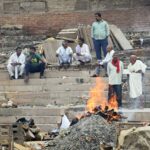

Pitru Paksha Shradh is a 16-lunar day period in the Hindu calendar dedicated to honouring and paying homage to one’s ancestors (Pitrus).
This period is observed by performing specific rituals, primarily Tarpan (offering water) and Pind Daan (offering rice balls), to express gratitude and ensure the ancestors’ souls find peace. It is a solemn time for remembrance, reflection, and seeking blessings from the departed. In 2026, this period is observed from mid-September.
- 2026 Dates: Wednesday, 16 September to Wednesday, 30 September.
- Primary Rituals: Tarpan, Pind Daan, and feeding Brahmins.
- Key Purpose: To appease ancestors, repay ‘Pitru Rin’ (ancestral debt), and seek blessings for family prosperity.
For many families in Mumbai, observing Pitru Paksha is a profound annual tradition, a time to connect with one’s roots amidst the city’s relentless pace. You may be seeking the correct dates for 2026, trying to understand the specific rituals, or concerned about performing the ceremonies correctly to honour your ancestors. This period is not just about rites; it’s about expressing deep gratitude to those who came before us, whose contributions shaped our very existence.
This guide provides a clear, factual overview of the Pitru Paksha Shradh for 2026, including dates, the significance of the rituals, and practical guidance for observing them in Mumbai. We will also explore related concepts like Pitru Dosha and offer clarity on the essential dos and don’ts to follow during this sacred fortnight.
What is the Meaning of Pitru Paksha (Shradh)?
Pitru Paksha, literally translating to the ‘fortnight of the ancestors’, is a significant period in the Hindu faith. It falls in the Bhadrapada month of the Hindu lunar calendar, typically in September. During these 16 days, it is believed that the spirits of our ancestors descend from Pitruloka (the realm of ancestors) to Earth, residing with their descendants. The rituals performed during this time, collectively known as Shradh, are meant to nourish, protect, and please these ancestral souls, ensuring their well-being in the afterlife.
The act of Shradh is a demonstration of ‘shraddha’ (faith and reverence). It is a way of acknowledging the ‘Pitru Rin’, the debt we owe to our ancestors for our lineage and life. By performing these rites, descendants help their ancestors’ souls attain peace, or ‘moksha’ (liberation), and in return, receive their blessings for health, wealth, and prosperity.
Pitru Paksha 2026 Dates & Tithis
Observing Shradh on the correct ‘tithi’ (lunar day) is paramount. The tithi corresponds to the lunar day on which the ancestor passed away. Below are the projected dates for Pitru Paksha in 2026. It’s always advisable to consult a local ‘panchang’ or a priest for precise timings.
| Date | Day | Tithi (Lunar Day) |
|---|---|---|
| 16 September 2026 | Wednesday | Purnima Shradh |
| 17 September 2026 | Thursday | Pratipada Shradh |
| 18 September 2026 | Friday | Dwitiya Shradh |
| 19 September 2026 | Saturday | Tritiya Shradh |
| 20 September 2026 | Sunday | Chaturthi Shradh |
| 21 September 2026 | Monday | Panchami Shradh |
| 22 September 2026 | Tuesday | Shashthi Shradh |
| 23 September 2026 | Wednesday | Saptami Shradh |
| 24 September 2026 | Thursday | Ashtami Shradh |
| 25 September 2026 | Friday | Navami Shradh |
| 26 September 2026 | Saturday | Dashami Shradh |
| 27 September 2026 | Sunday | Ekadashi Shradh |
| 28 September 2026 | Monday | Dwadashi Shradh |
| 29 September 2026 | Tuesday | Trayodashi Shradh, Chaturdashi Shradh |
| 30 September 2026 | Wednesday | Sarva Pitru Amavasya |
Note: Sarva Pitru Amavasya is the final day and is significant for performing Shradh for all ancestors, especially if the specific tithi of death is unknown.
The Deep-Rooted Importance of Shradh
The practice of Shradh is more than just a ritual; it’s a cornerstone of Hindu philosophy concerning life, death, and lineage. Its importance is multifaceted, touching upon spiritual, karmic, and familial duties.
Repaying the Ancestral Debt (Pitru Rin)
Hindu scriptures identify three primary debts a person is born with: Deva Rin (debt to the Gods), Rishi Rin (debt to the sages), and Pitru Rin (debt to the ancestors). Pitru Rin is the obligation we have towards our forefathers for giving us life and heritage. Performing Shradh is considered the primary method of repaying this debt. It is believed that until this debt is cleared, the souls of ancestors may remain restless, which can have an adverse impact on the living descendants.
Blessings for Progeny and Relief from Pitru Dosha
When ancestors are satisfied with the offerings, they bestow blessings upon their family. These blessings are said to manifest as good health, success, and prosperity for the lineage. Conversely, neglecting these duties can lead to ‘Pitru Dosha’, an astrological affliction believed to cause various hardships. Performing Shradh diligently is a powerful remedy to mitigate or nullify the effects of Pitru Dosha.
Connection with Karma and the Soul’s Journey
The rituals of Pitru Paksha are deeply intertwined with the concept of Karma. By performing these duties, individuals not only aid their ancestors but also create positive karma for themselves. It reinforces the cycle of duty and remembrance, ensuring that future generations will continue the tradition. This act strengthens the spiritual fabric of the family across generations.
Legends and Scriptural Authority Associated with Shraddh
The origin of Shradh is often traced back to ancient scriptures and epics. One of the most cited legends is that of Karna from the Mahabharata. Upon his death, Karna reached heaven and was offered gold and jewels as food. When he asked Indra why he wasn’t given real food, Indra explained that while Karna had donated wealth his entire life, he had never offered food to his ancestors.
To rectify this, Karna was allowed to return to Earth for a 15-day period to perform Shradh for his ancestors and offer them food and water. This period is believed to be what we now observe as Pitru Paksha. This story highlights the supreme importance of ‘Anna Daan’ (food donation) in the name of ancestors. The practice is also detailed in various Puranas like the Garuda Purana and Agni Purana, which provide specific guidelines for the rituals.
Understanding Pitra Dosha in Kundali
Pitra Dosha (often spelled Pitru Dosha) is a concept from Vedic astrology that many people are concerned about, especially during Pitru Paksha. It is considered a karmic debt of the ancestors, with its effects being felt by their descendants.
What is Pitra Dosha? An Astrological Perspective
Astrologically, Pitra Dosha is identified by specific planetary placements in a person’s birth chart (Kundali). It is typically associated with the affliction of the Sun, Moon, Rahu, and Saturn in certain houses, particularly the 9th house, which represents the father and ancestors. According to a study on astrological beliefs published in the International Journal of Science and Research, such planetary combinations are interpreted as indicators of ancestral dissatisfaction.
Scriptural and Spiritual Causes
The spiritual cause of Pitra Dosha is believed to be the unhappiness or restlessness of the souls of ancestors. This could be due to several reasons:
- Unnatural or untimely death of an ancestor.
- Failure of descendants to perform the necessary final rites or annual Shradh.
- Wrongdoings committed by the ancestors themselves, the karmic burden of which is passed down.
Common Signs and Symptoms of Pitru Dosha
While only a qualified astrologer can confirm its presence in a horoscope, certain recurring life problems are often attributed to Pitru Dosha. It’s important to approach these with a balanced perspective, as they can have other causes as well.
- Financial Struggles: Persistent debt, business failures, and inability to accumulate wealth despite hard work.
- Family and Children Issues: Lack of harmony in the family, frequent quarrels, difficulties in conceiving children, miscarriages, or children facing chronic health issues.
- Career and Health Problems: Obstacles in career growth, lack of recognition, and chronic, hard-to-diagnose illnesses.
Remedies and Nivaran (Pacification)
The primary and most effective remedy for Pitru Dosha is the sincere performance of Shradh during Pitru Paksha. Other remedies include:
- Performing ‘Pind Daan’ at holy places like Gaya, Prayagraj, or Varanasi.
- Regularly offering water to a Banyan tree.
- Donating food, clothes, and money to Brahmins and the needy on Amavasya (new moon day).
- Chanting specific mantras like the Pitru Gayatri Mantra.
A Step-by-Step Guide to Performing a Simple Shradh Ritual at Home
You don’t always need an elaborate ceremony. A simple, heartfelt ritual performed with devotion at home can be very effective. Here is a basic guide for performing Tarpan.
- Purification: Begin by taking a bath and wearing clean, fresh clothes (preferably a white dhoti for men). The ritual should be performed with a calm and pure mind.
- Preparation: Find a clean, quiet spot in your home, facing south. Place a mat to sit on. You will need a copper or brass vessel, clean water, black sesame seeds (kale til), Kusha grass (darbha), and a few white flowers.
- Sankalpa (Intention): Hold a little water, flowers, and rice in your palm and make a ‘Sankalpa’ – a solemn vow stating your name, gotra, and the names of the ancestors (father, grandfather, great-grandfather) for whom you are performing the ritual.
- Invoking the Ancestors: Invite the ancestors to accept your offerings by chanting appropriate mantras or simply praying with a focused mind.
- Performing Tarpan: Mix the black sesame seeds in the vessel of water. Using the Kusha grass, take water in your cupped hands and offer it three times for each ancestor, letting it flow from the space between your thumb and index finger. As you offer, chant ‘Tarpayami’ after their name.
- Offering Food (Pind Daan – Simplified): A simplified version involves offering a small portion of the specially prepared satvik food (food without onion or garlic) on a leaf plate before the family eats. This food is typically offered to a crow, which is considered a messenger of Yama, the god of death.
- Prayer and Seeking Forgiveness: Conclude by folding your hands and praying for the peace of your ancestors’ souls. Ask for forgiveness for any known or unknown mistakes made during the ritual.
Dos and Don’ts During Pitru Paksha
This 16-day period requires adherence to certain rules and disciplines to show respect and maintain sanctity.
What You Should Do:
- Offer Tarpan daily if possible, or at least on the specific tithi of your ancestor.
- Feed a Brahmin, a crow, a cow, and a dog. These are considered essential parts of the ritual.
- Maintain a calm and respectful demeanor throughout the fortnight. Avoid arguments and conflicts at home.
- Donate to the poor and needy according to your capacity. This act generates good karma that benefits the ancestors.
- Read holy scriptures like the Garuda Purana, Bhagavad Gita, or Ramayana.
What You Should Avoid:
- Do not start any new venture, purchase a new property or vehicle, or celebrate occasions like birthdays or engagements.
- Avoid getting a haircut, shaving, or cutting your nails during this period.
- Refrain from consuming non-vegetarian food, alcohol, onion, garlic, and certain lentils like masoor dal.
- Do not use iron vessels for the rituals; prefer copper, brass, or silver.
- Avoid using abusive language or indulging in any form of dishonesty.
Expert Insight: We’ve observed that families in Mumbai who pre-plan the logistics for elderly members attending Shradh rituals often experience a more peaceful and focused ceremony. Arranging for comfortable transport, like a non-emergency ambulance, to places like Banganga Tank can prevent physical strain and allow elders to participate fully without stress. This practical step is often overlooked but significantly enhances the spiritual experience for the entire family.
Navigating Pitru Paksha in Mumbai: Practical Considerations
Observing these traditions in a metropolis like Mumbai comes with its own set of challenges and solutions. Many families live in apartments with limited space, and finding a qualified priest can be difficult during the peak season.
Key locations in Mumbai for performing Shradh rituals include the historic Banganga Tank in Walkeshwar, various temples along the city’s coastline, and dedicated community halls. However, performing the rites at home with sincerity is considered equally valid.
For families with elderly or mobility-impaired members, ensuring their safe participation is crucial. This is where planning becomes essential. Services like a dead body ambulance service in Mumbai are vital for dignified transport in times of loss, but it’s also important to consider transport for the living during commemorative rituals. A comfortable, professionally managed vehicle can make a significant difference.
Emerging Trends in Observing Ancestral Rites
Even ancient traditions adapt to modern life. In recent years, several trends have emerged in how Pitru Paksha Shradh is observed, especially in urban centers. Digital platforms now offer ‘e-purohit’ services, where families can book a qualified priest online for home rituals or even have ceremonies performed on their behalf at holy sites. This has been a boon for the diaspora and for those unable to find a priest locally.
Furthermore, specialized delivery services for ‘samagri’ (ritual items) have become common, providing curated kits with everything needed for Shradh, from Kusha grass to black sesame seeds. This convenience helps families focus on the spiritual aspects rather than the logistical hassles.
Another significant development is the increased focus on social welfare as a form of Shradh. Many modern families choose to honour their ancestors by sponsoring meals at old-age homes, donating to orphanages, or funding educational initiatives in their ancestors’ names. This aligns with the core principle of ‘daan’ (charity) and is seen as a meaningful way to generate positive karma. Support services, including logistical and transport providers like Ayyappa Ambulance, are also part of this ecosystem, ensuring that even the practical aspects of these traditions are handled with care and professionalism, reflecting a blend of timeless values and modern efficiency.
When to Seek Professional Help
While Pitru Paksha is about spiritual observance, there are practical situations where professional assistance is necessary. During these emotionally charged times, especially when remembering a recent loss, managing logistics can be overwhelming.
Consider seeking professional help when:
- Transporting Elderly or Infirm Relatives: If you need to transport a family member with limited mobility to a ritual site, a professional non-emergency ambulance ensures their safety and comfort.
- Arranging End-to-End Funeral Services: If a death occurs, managing all the arrangements from transport to cremation can be incredibly stressful. A comprehensive funeral and cremation service can provide dignified and efficient support.
- Needing Immediate Deceased Transport: In the unfortunate event of a death, a dedicated and respectful death body ambulance service is critical for timely and proper transportation to the home, morgue, or crematorium.
Engaging professionals for these tasks allows the family to focus on grieving and performing the essential rituals without added stress. Ayyappa Ambulance provides these specialized services with the compassion and urgency required during such sensitive times.
Disclaimer: This content is for informational purposes only and does not constitute professional emergency services advice. Always consult a qualified professional before making emergency services decisions. The information on religious rituals is based on common Hindu traditions and it is recommended to consult a qualified priest or scholar for personalized guidance.
Author Note: The factual and procedural information in this article has been reviewed for clarity and accuracy by a professional familiar with Hindu funeral and commemorative rites.
Frequently Asked Questions
What is Tarpan in Shradh?
Tarpan is a core Shradh ritual involving the offering of water mixed with black sesame seeds to the ancestors. It is a symbolic act of quenching the thirst of ancestral souls and providing them with spiritual nourishment. The offering is typically made while chanting the names of the ancestors and facing the south direction. It is considered a fundamental duty of descendants during Pitru Paksha.
What is the significance of crows in Pitru Paksha?
In Hindu mythology, crows are considered messengers of Lord Yama, the god of death, and representatives of ancestral spirits. It is believed that ancestors visit in the form of crows to accept the food offerings (Pind Daan). If a crow eats the food offered during Shradh, it is taken as a sign that the ancestors are pleased and have accepted the offering, bringing peace to the family.
How do I perform Shradh if I don’t know the Tithi?
If the exact lunar day (tithi) of an ancestor’s death is unknown, the Shradh can be performed on Sarva Pitru Amavasya, the last day of Pitru Paksha. This day is designated for honouring all ancestors, irrespective of their tithi. Performing the rituals on this day is believed to bring peace to all departed souls in the family for whom rites may have been missed.
How do I find a priest for Shradh in Mumbai?
In Mumbai, you can find priests (pandits) through local temples, community references, or online platforms specializing in religious services. It is advisable to book a priest well in advance, as they are in high demand during Pitru Paksha. Many community associations and cultural organizations also maintain lists of qualified priests who can perform the rituals correctly.
Why does Pitru Paksha matter for family well-being?
Pitru Paksha matters because it is believed to directly impact the family’s spiritual and material well-being. According to tradition, satisfied ancestors bestow blessings of health, prosperity, and harmony. Neglecting these duties can lead to Pitru Dosha, an affliction thought to cause persistent problems. The observance reinforces family lineage, gratitude, and karmic balance, fostering a positive environment for current and future generations.
What is the difference between Shradh and Tarpan?
Shradh is the broad term for all rituals performed to honour ancestors, including Pind Daan (food offering), feeding Brahmins, and charity. Tarpan is a specific and essential part of the Shradh ceremony. It refers exclusively to the ritual of offering water mixed with black sesame seeds. While Tarpan can be done daily, a full Shradh ceremony is typically performed on the specific death anniversary tithi.
Is observing Pitru Paksha worth it in modern times?
Yes, for believers, it remains highly relevant. Beyond the spiritual aspects, it serves as a dedicated time for remembrance and gratitude, strengthening family bonds and cultural identity. In a fast-paced life, it provides a structured opportunity to pause and honour one’s heritage. Many find that the discipline and charity practiced during this period bring a sense of peace and purpose, making it a worthwhile observance.
What are the current best practices for observing Shradh?
Current best practices blend tradition with practicality. The core focus remains on sincerity and faith (‘shraddha’). Key practices include performing Tarpan and Pind Daan on the correct tithi, feeding a Brahmin, and giving charity. Modern adaptations include using online services to book priests or perform remote rituals if personal observance is not possible, and focusing on social charity like feeding the poor as a valid form of offering.