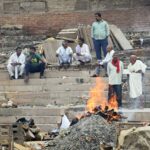

Rituals to be performed after cremation in Hinduism are a series of sacred observances designed to ensure the departed soul’s peaceful journey and to provide solace to the grieving family.
These rituals, deeply rooted in ancient scriptures, typically begin immediately after cremation with the collection of ashes (Asthi Sanchayan) and culminate in ceremonies like Asthi Visarjan (immersion of ashes) and Shraddha (ancestral rites). Proper observance is believed to facilitate the soul’s liberation and maintain spiritual harmony for the family.
- Asthi Sanchayan usually occurs within 3 days of cremation.
- Asthi Visarjan is often performed at holy rivers like the Ganga or Nashik.
- Shraddha ceremonies are crucial for honoring ancestors and typically span 10-13 days or are observed annually.
When a loved one passes away in Mumbai, the period immediately following cremation can be overwhelming. Families are not only grappling with immense grief but also with the responsibility of performing specific Hindu rituals to ensure the spiritual well-being of the departed soul. Understanding these rituals and their proper execution is paramount, especially in a bustling city where logistical challenges can add to the emotional burden. This guide aims to provide clarity and practical assistance for families navigating the complex, yet sacred, journey of post-cremation rituals in Hinduism.
Prerequisites for Post-Cremation Rituals in Mumbai
Before embarking on the specific rituals, certain preparations are essential to ensure a smooth and respectful process. These prerequisites lay the groundwork for the spiritual journey ahead and help alleviate some of the immediate stress on the family.
Immediate Steps After Cremation
- Ash Collection (Asthi Sanchayan): This is the first crucial step. The ashes and bones (Asthi) are collected from the cremation ground. This typically occurs on the third day after cremation, though it can be done earlier or slightly later depending on family tradition and convenience. Ensure you have a designated urn or container (Asthi Kalash) for this purpose.
- Consultation with a Priest (Pandit): Engaging a knowledgeable priest is vital. They will guide you through the specific rituals, their timings, and the necessary materials. Many families in Mumbai have long-standing relationships with priests, or you can seek recommendations from community elders or funeral service providers.
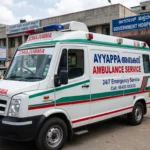
- Arrangement for Transportation: For rituals like Asthi Visarjan, which often require travel to holy sites outside Mumbai (e.g., Nashik, Haridwar, Prayagraj), reliable and dignified transportation is critical. Services like Ayyappa Ambulance’s dead body ambulance service can assist with the respectful transport of the Asthi Kalash.
- Understanding Family Traditions: While there are general Hindu guidelines, specific family customs (Kul-reeti) can vary. Discuss these with elders to ensure all relevant traditions are honored.
Step-by-Step Guide: Rituals to be Performed After Cremation in Hinduism
The sequence and specific details of rituals to be performed after cremation in Hinduism can vary by region and community, but the core principles remain consistent. Here is a general guide to the most common and significant post-cremation rituals observed in Mumbai and across India.
-
Asthi Sanchayan (Ash Collection Ritual)
This ritual involves the collection of the remains (ashes and bone fragments) from the cremation site. It is usually performed by the chief mourner (typically the eldest son) within three days of cremation, often early in the morning. The collected remains are placed in a sacred urn (Asthi Kalash). The process involves Washing the area, Placing the ashes carefully, and then covering them. Families in Mumbai that attempt to manage Asthi Visarjan logistics without professional transport often face significant delays and stress, particularly when traveling to distant holy sites like Haridwar or Nashik.
-
Asthi Visarjan (Immersion of Ashes)
The collected ashes are immersed in a holy river, such as the Ganga, Yamuna, Godavari, or at other sacred confluence points (Sangam). This ritual is considered vital for the soul’s liberation and journey to the afterlife. Popular sites for Asthi Visarjan for Mumbai residents include Nashik (Godavari River), Haridwar (Ganga River), and Prayagraj (Triveni Sangam). The immersion is often accompanied by prayers and offerings. Funeral ambulance services in Mumbai can provide essential support for transporting the Asthi Kalash and family members to these distant locations with dignity and care.
-
Dashakriya (10th Day Rituals)
Performed on the tenth day after death, Dashakriya marks a significant transition. It is believed that on this day, the soul leaves its earthly ties. Rituals include offerings (Pind Daan) to the departed, shaving of the head for male family members (mundan), and purification rites. The priest guides the family through specific prayers and oblations to help the soul attain peace. This day is crucial for the family to collectively mourn and perform rites for the deceased.
-
Shraddha (Ancestral Rites)
Shraddha encompasses a series of rituals performed to honor and pay homage to ancestors. The primary Shraddha ceremony is often performed on the 13th day after death (Terahvin), marking the end of the immediate mourning period. It involves inviting Brahmins for a meal, offering Pind Daan, and performing specific prayers. Shraddha is also performed annually on the death anniversary (Tithi) and during Pitru Paksha, a fortnight dedicated to ancestors. These rituals are believed to provide sustenance and peace to the ancestors’ souls.
-
Pind Daan (Offerings to Ancestors)
Pind Daan is a specific offering made during Dashakriya and Shraddha ceremonies. It involves offering balls of cooked rice, flour, and sesame seeds (Pind) to the ancestors. These offerings are believed to satisfy the hunger of the departed soul and help it progress in its journey. The ritual is performed with specific mantras and intentions, guided by a priest, often near a river or sacred water body.
-
Grah Shanti and Purification
After the main mourning period, rituals are performed to purify the home and restore a sense of normalcy and peace. This may involve performing a small Havan (fire ritual), chanting mantras, and cleaning the house thoroughly. The aim is to remove any negative energies associated with death and invite positive vibrations back into the living space. This helps the family to gradually return to their routine life.
-
Community Meal (Bhoj) and Remembrance
Often, after the main rituals like Shraddha, a community meal (Bhoj) is organized for relatives, friends, and sometimes the less fortunate. This act of sharing food is a way of expressing gratitude, seeking blessings, and remembering the departed soul in a collective setting. It signifies the community’s support for the grieving family and helps in the healing process.
Common Mistakes to Avoid During Post-Cremation Rituals
Navigating the rituals to be performed after cremation in Hinduism can be complex, and certain missteps can inadvertently cause distress or perceived disrespect. Being aware of these common mistakes can help families ensure a more serene and spiritually fulfilling observance.
- Delaying Asthi Sanchayan or Visarjan: While modern life presents challenges, traditionally, Asthi Sanchayan should occur within three days and Asthi Visarjan as soon as practically possible. Significant delays are generally discouraged, as they are believed to hinder the soul’s journey.
- Not Consulting a Knowledgeable Priest: Relying solely on internet information or incomplete advice can lead to errors in ritual performance. A qualified priest understands the nuances of your family’s traditions and the correct scriptural procedures.
- Overlooking Logistical Planning: Especially for Asthi Visarjan to distant holy sites, inadequate planning for travel, accommodation, and local arrangements can cause immense stress. This is where professional support, such as that offered by Ayyappa Ambulance, becomes invaluable for smooth transport.
- Ignoring Family-Specific Customs: Hindu rituals have regional and familial variations. Neglecting these specific customs can lead to feelings of incompleteness or disrespect among family members. Always involve elders in planning.
- Lack of Proper Materials: Each ritual requires specific items, from particular types of wood for Havan to specific grains for Pind Daan. Ensure all materials are sourced correctly and in advance to avoid last-minute rush.
- Focusing Solely on Rituals Without Emotional Processing: While rituals are important, it’s equally crucial for family members to allow themselves to grieve and support each other emotionally. The rituals are a framework for healing, not a replacement for it.
How to Ensure Proper Observance and Support
Ensuring that the rituals to be performed after cremation in Hinduism are conducted correctly and with dignity requires careful planning and, often, professional assistance. In a city like Mumbai, where time is precious and logistics can be challenging, leveraging expert support can significantly ease the burden on grieving families.
Early Planning and Coordination
As soon as a death occurs, or even in anticipation, begin coordinating with family members and a trusted priest. Create a timeline for the key rituals like Asthi Sanchayan, Dashakriya, and Shraddha. This proactive approach helps in allocating responsibilities and making necessary bookings, especially for travel.
Engaging Professional Funeral Support
Modern funeral services in Mumbai offer comprehensive assistance that extends beyond the cremation itself. Companies specializing in funeral and cremation services can help with:
- Logistical Support: Arranging for the collection and transport of ashes (Asthi Kalash) to holy sites for Visarjan. This includes specialized vehicles and experienced personnel to ensure respectful handling.
- Priest Coordination: Connecting you with experienced priests who are well-versed in the specific rituals and can guide your family appropriately.
- Material Sourcing: Assisting in procuring all necessary ritualistic items, from Pind Daan materials to Havan essentials.
- Cremation Ground Liaison: Navigating the procedures at Mumbai’s cremation grounds, such as Worli Crematorium or Shivaji Park Crematorium, for ash collection.
For instance, Ayyappa Ambulance provides dedicated funeral ambulance services in Mumbai, ensuring dignified and timely transport for the deceased and for post-cremation rituals like Asthi Visarjan. Their expertise in managing sensitive transport needs can be a lifeline for families during difficult times.
Expert Insight: Despite common advice to perform rituals immediately, modern urban life often necessitates flexible scheduling for Dashakriya and Shraddha, and pandits in Mumbai are increasingly accommodating this without compromising spiritual integrity. The focus has shifted from rigid adherence to specific hours to ensuring the spiritual intent and devotion remain paramount, allowing families to balance tradition with practical realities.
Emerging Trends in Funeral and Ritual Support in Mumbai
The landscape of funeral and post-cremation ritual support in Mumbai is changing, driven by technological advancements, changing urban lifestyles, and a growing demand for professional, compassionate services. These emerging trends are reshaping how families approach the rituals to be performed after cremation in Hinduism, making the process more accessible and less burdensome.
One significant trend is the rise of **integrated funeral service providers**. These companies offer end-to-end solutions, from immediate ambulance services for the deceased to comprehensive support for post-cremation rituals. This includes coordinating with cremation grounds, arranging for Asthi Sanchayan, facilitating Asthi Visarjan travel to distant holy sites like Haridwar or Nashik, and even assisting with priest bookings for Shraddha ceremonies. This complete approach simplifies a complex process for grieving families, allowing them to focus on remembrance rather than logistics. For example, a family might engage a service that not only provides a Mumbai funeral van service but also handles the subsequent arrangements for Asthi Visarjan transport.
Another notable trend is the **digitalization of ritual assistance**. Online platforms and apps are emerging that connect families with qualified priests, provide virtual guidance on ritual procedures, and even offer e-commerce options for purchasing ritualistic items. While traditional in-person guidance remains preferred, these digital tools offer convenience and accessibility, especially for families with limited local contacts or those residing abroad. This trend aligns with the broader digital transformation seen across various service sectors in India.
Furthermore, there’s an increasing emphasis on **dignified and specialized transportation services**. With Mumbai’s growing population and traffic, ensuring timely and respectful transport for the Asthi Kalash to sacred immersion sites is crucial. Specialized ambulance services, like Ayyappa Ambulance’s immediate and dignified transport, are becoming more sophisticated, offering climate-controlled vehicles and trained personnel who understand the sanctity of the cargo. This ensures that the remains are handled with utmost respect throughout the journey, providing peace of mind to the family.
Finally, there’s a subtle but growing trend towards **personalized memorial services**. While core rituals remain, families are increasingly seeking ways to personalize remembrance, incorporating elements that reflect the unique life of the departed. This might include specific readings, musical tributes, or charitable acts performed in memory, alongside the traditional rituals. This blend of tradition and personalization helps families create a more meaningful and healing experience.
| Service Type | Scope of Support | Cost Range | Logistical Ease | Spiritual Guidance | Time Commitment |
|---|---|---|---|---|---|
| DIY (Family-managed) | Limited to family’s knowledge and resources | Low (materials only) | High difficulty, especially for travel | Relies on family priest/knowledge | Very High |
| Local Priest-Led (Basic) | Ritual guidance, some material sourcing | Moderate (priest fees + materials) | Moderate, family handles transport | High, traditional | High |
| Specialized Transport (e.g., Ayyappa Ambulance) | Dignified transport of Asthi Kalash/family for Visarjan | Moderate (per trip basis) | High for transport, low for other rituals | None directly, supports ritual logistics | Low for transport, moderate for other rituals |
| Full-Service Funeral Home (Basic Package) | Cremation coordination, basic ritual guidance, some transport | High | Moderate to High | Moderate, often outsourced | Moderate |
| Premium End-to-End Funeral Service | Complete planning, priest coordination, all logistics, personalized options | Very High | Very High | High, integrated | Low |
Disclaimer: This content is for informational purposes only and does not constitute professional emergency services advice. Always consult a qualified professional before making emergency services decisions.
When to Seek Professional Help
The period following a death is emotionally taxing. While family support is crucial, certain aspects of the rituals to be performed after cremation in Hinduism can benefit immensely from professional assistance. You should consider seeking professional help when:
- Logistics are Complex: If Asthi Visarjan requires travel to distant locations like Haridwar or Nashik, coordinating transport for the Asthi Kalash and family members can be overwhelming. Professional funeral ambulance services specialize in this.
- Time is Limited: In Mumbai’s fast-paced environment, families may struggle to dedicate the extensive time required for all arrangements. Professional services can manage coordination efficiently.
- Unfamiliarity with Rituals: If your family is unsure about the precise steps, timings, or materials for specific rituals, a professional service can connect you with experienced priests and ensure correct observance.
- Emotional Overload: Grief can impair decision-making. Delegating practical tasks to professionals allows the family to focus on healing and remembrance.
What to Do Next
Navigating the rituals to be performed after cremation in Hinduism requires a blend of spiritual understanding and practical execution. Here are your immediate next steps:
- Consult a Priest: Reach out to a trusted Pandit to understand the specific rituals applicable to your family and to schedule key ceremonies like Dashakriya and Shraddha.
- Plan Asthi Visarjan Logistics: Determine the sacred site for immersion. If travel is involved, contact Ayyappa Ambulance for dignified and reliable transportation of the Asthi Kalash and family members. You can learn more about their services at How to Manage Funeral Cremation in Mumbai.
- Gather Necessary Materials: Work with your priest or a funeral service provider to ensure all ritualistic items are procured in advance.
- Communicate with Family: Keep all close family members informed about the schedule and their roles in the rituals.