
Choosing a Hindu cremation centre involves selecting a facility that respectfully accommodates traditional last rites and rituals.
In Mumbai, this means finding a location that is accessible, has the necessary facilities for ceremonies, and provides clear guidance on documentation and costs during a difficult time. Key factors include proximity, availability of electric or traditional pyres, and support for associated rituals.
- Key Locations: Prominent centres include Sion, Dadar, Oshiwara, and Chandanwadi crematoriums.
- Documentation: A doctor’s Death Certificate (Form 4/4A) is mandatory for all cremations.
- Transport: Specialized services are required for dignified transportation of the deceased to the centre.
Comparing Key Cremation Facilities in Mumbai
| Crematorium | Primary Method | Location Zone | Waiting Area | 24/7 Availability | Booking Process |
|---|---|---|---|---|---|
| Sion Hindu Crematorium | PNG & Wood Pyre | Central Suburbs | Yes, Moderate | No (Fixed Hours) | On-site |
| Dadar Crematorium (Shivaji Park) | Electric & PNG | South Mumbai | Yes, Large | No (Fixed Hours) | On-site/Online Portal |
| Oshiwara Crematorium | PNG & Wood Pyre | Western Suburbs | Yes, Well-maintained | No (Fixed Hours) | On-site |
| Chandanwadi Crematorium (Marine Lines) | Electric | South Mumbai | Yes, Basic | No (Fixed Hours) | On-site |
| Muktidham Crematorium (Thane) | Wood Pyre | Thane (MMR) | Yes, Basic | No (Fixed Hours) | On-site |
| Sahar Road Crematorium (Andheri East) | Wood Pyre | Western Suburbs | Yes, Moderate | No (Fixed Hours) | On-site |
Evaluation Criteria for Selecting a Hindu Cremation Centre
During a time of grief, making logistical decisions can be overwhelming. Choosing the right Hindu cremation centre in Mumbai is a critical step in ensuring the last rites are performed with dignity and in accordance with your family’s traditions. The process involves more than just finding the nearest location; it requires careful consideration of facilities, procedures, and support services. This guide breaks down the essential factors to help you make an informed and compassionate choice.
Ayyappa Ambulance provides comprehensive funeral and cremation services in Mumbai, offering guidance and support through every step of this challenging process, from transportation to coordinating with the chosen crematorium.
1. Location and Accessibility
Proximity is often the first consideration. A crematorium located near your residence or the hospital can significantly ease the logistical burden on grieving family and friends. Consider the traffic conditions in Mumbai at the expected time of the funeral procession. A shorter travel time reduces stress and ensures timeliness. Also, check for adequate parking facilities, as many relatives and friends will be arriving in their own vehicles. For example, a family in Bandra might find the Dadar Crematorium more accessible than one in Thane, purely based on travel logistics.
2. Available Cremation Methods: Traditional vs. Modern
Hindu traditions have historically used wood pyres for cremation. However, many modern crematoriums in Mumbai now offer electric or Piped Natural Gas (PNG) options, which are more environmentally friendly and often quicker. Recent data from municipal corporations across India indicates a growing preference for electric cremations in urban areas, with some cities reporting over 60% of cremations using these methods to conserve wood and reduce air pollution. Your family’s preference is paramount. Confirm that the chosen centre offers the method you wish to use. For instance, Sion Hindu Crematorium offers both PNG and traditional wood pyre options, giving families a choice.
3. Facilities for Rituals and Mourners
The cremation process involves several pre- and post-cremation rituals. A suitable centre should have the necessary infrastructure to support these traditions. Key facilities to look for include:
- Prayer Hall: A clean, peaceful space for family and friends to gather for prayers and to pay their last respects.
- Waiting Area: A sheltered and comfortable area for mourners, as the process can take a few hours.
- Washroom Facilities: Clean and accessible restrooms are a basic necessity.
- Priest (Pandit) Availability: Some crematoriums have priests on-site or can help you connect with one. It’s wise to inquire about this beforehand if you do not have a family priest.
Crematoriums like the one at Shivaji Park (Dadar) are known for having larger, well-maintained spaces to accommodate more significant gatherings.
4. Documentation and Administrative Process
The administrative process must be clear and efficient to avoid causing additional distress. Before proceeding with the cremation, you will need to submit specific documents. The most critical document is the Death Certificate issued by a registered medical practitioner (Form 4 or 4A). You will also need an identity proof of the deceased and the person arranging the cremation. A well-managed Hindu cremation centre will have staff who can guide you through the paperwork smoothly. It is a significant red flag if the administrative staff is unhelpful or the process seems opaque. Efficient handling of paperwork is a hallmark of a professional facility.
Expert Insight: Many families default to the nearest crematorium, but this can be a mistake. A slightly more distant facility with an efficient online booking system or known for streamlined administrative processes, like the updated systems at some BMC-run grounds, can save hours of waiting and immense emotional strain compared to a closer, but poorly managed, centre. The time saved on paperwork and waiting often outweighs the extra 20-30 minutes of travel.
5. Costs and Transparency
Understanding the costs involved is crucial. Charges can vary based on the type of cremation (wood, electric, or PNG) and any additional services. A reputable crematorium will have a transparent fee structure displayed clearly. Be sure to ask for a detailed breakdown of all charges, which may include:
- Cremation fee (varies by method)
- Cost of wood or other materials
- Fees for using the prayer hall or other facilities
- Charges for issuance of the official cremation certificate
Beware of hidden costs. Transparent pricing is a sign of a trustworthy establishment. Services like Kumar Funeral Service often provide packages that bundle transportation and crematorium costs, offering clarity from the outset.
Navigating the Process: A Real-World Mumbai Scenario
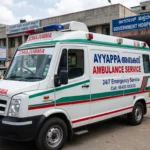
Consider the case of a family residing in Andheri East. Following the peaceful passing of an elderly family member at home, their first call was to a service like Ayyappa Ambulance. The team arrived promptly with a dead body ambulance service, ensuring the deceased was transported with dignity.
The family was guided on the immediate need for the doctor’s death certificate. While the ambulance team handled the transportation logistics, the family had to decide on a crematorium. Their initial thought was a small, local ground. However, the support team advised them to consider the Oshiwara Crematorium. Despite being slightly further, it was recommended for its well-maintained facilities and efficient processing, which would be better for the many relatives expected to attend.
Upon arrival, the crematorium staff guided them through the paperwork, verifying the death certificate and ID proofs. The family chose a PNG-based cremation. They were able to use the clean prayer hall for final rites conducted by their family priest. The entire process, while sorrowful, was smooth and devoid of the administrative hassles they had feared. This experience highlights how choosing a facility based on overall efficiency and amenities, not just proximity, can make a significant difference.
Prominent Cremation Grounds in Mumbai
Mumbai is a vast city with numerous cremation grounds serving its diverse population. Each has its own set of facilities and operational procedures. Here are some of the well-known Hindu cremation centres across different parts of the city.
Crematorium Ground in Mumbai: Key Locations
South Mumbai
- Chandanwadi Crematorium, Marine Lines: One of the oldest and most well-known, it primarily features electric furnaces. Its central location makes it accessible for residents of South Mumbai.
- Dadar Crematorium (Shivaji Park): A large facility equipped with both electric and PNG furnaces. It has ample space for mourners and is a preferred choice for many in the Dadar, Mahim, and Prabhadevi areas.
Western Suburbs
- Oshiwara Crematorium, Andheri: Known for its relatively clean and organized environment, it offers both wood and PNG options. It serves a large population from Andheri, Jogeshwari, and Goregaon.
- Sahar Road Crematorium, Andheri East: Located near the airport in areas like Parshiwada and Chakala, this is a traditional ground primarily using wood pyres.
- Juhu Crematorium: Another key facility in the western suburbs, serving residents from Juhu, Vile Parle, and Santacruz.
Central Suburbs & Harbour Line
- Sion Hindu Crematorium: A major crematorium serving areas like Sion, Matunga, and Dharavi. It provides both traditional wood and modern PNG options.
- Ghatkopar Hindu Crematorium: Caters to the eastern suburbs, offering necessary facilities for performing last rites.
For a more detailed breakdown of procedures at each location, our step-by-step guide to cremation services in Mumbai can provide further clarity.
Emerging Trends in Cremation Services (2026)
The landscape of funeral and cremation services in Mumbai is adapting to modern needs, environmental concerns, and technological advancements. Understanding these current trends can help you make a more informed choice for your loved one’s final rites.
One of the most significant shifts is the move towards environmental sustainability. According to a recent report by the Central Pollution Control Board (CPCB), traditional wood pyres contribute to local air pollution and deforestation. In response, Brihanmumbai Municipal Corporation (BMC) has been actively promoting the use of PNG and electric crematoriums. These methods reduce carbon emissions by over 80% per cremation and eliminate the use of hundreds of kilograms of wood. Many families are now opting for these ‘green cremations’ as a final act of environmental responsibility.
Technology is also playing a larger role. Some municipal bodies have started rolling out online portals for booking cremation slots. This digital approach, currently in trial phases in parts of the city, aims to reduce waiting times and provide families with certainty during a stressful period. It allows for better management of resources at the crematorium and gives families a clear schedule to follow. Furthermore, post-pandemic, the availability of live-streaming services has become a valued option. This allows relatives who are unable to travel to Mumbai to participate in the final rites remotely, providing a sense of closure.
Finally, there is a growing demand for integrated service providers. Instead of families having to coordinate with multiple vendors (ambulance, priest, crematorium, materials supplier), companies like Ayyappa Ambulance are offering end-to-end solutions. This includes dignified transportation, assistance with documentation, coordination with the Hindu cremation centre, and arrangement of all necessary items for the rituals. This consolidated approach, often called ‘funeral management’, significantly reduces the burden on the grieving family, allowing them to focus on their loss rather than on logistics.
Disclaimer: This content is for informational purposes only and does not constitute professional emergency services advice. Always consult a qualified professional before making emergency services decisions.
Frequently Asked Questions (FAQs)
What is the main difference between a wood pyre and an electric cremation?
A traditional wood pyre involves the combustion of the body on a stack of wood, a process that can take several hours. An electric or PNG cremation uses intense heat generated by electricity or gas inside a furnace, which is a much faster and more environmentally friendly process, typically completed in 90 to 120 minutes. The choice often depends on religious beliefs, environmental concerns, and family traditions.
What is Form 4/4A in the context of cremation?
Form 4 (or Form 4A for institutional deaths) is the official Medical Certificate of Cause of Death. This document, which must be issued and signed by a registered medical practitioner, is legally required to proceed with any cremation or burial in India. It confirms the identity of the deceased and the cause of death, ruling out any unnatural circumstances requiring police investigation. No crematorium will proceed without it.
How do I arrange for a priest (pandit) for the last rites?
You can arrange for a priest in several ways. If you have a family priest, they should be your first point of contact. Alternatively, many crematoriums in Mumbai have a list of priests who are available on-site or on-call. Funeral service providers, such as Ayyappa Ambulance, can also assist in arranging for a qualified priest to conduct all the necessary rituals as per your family’s customs.
How do I obtain the official death certificate after cremation?
The crematorium will issue a cremation slip or certificate immediately after the rites are completed. This slip is a crucial document. You must take it, along with the original doctor’s certificate (Form 4/4A), to the local municipal ward office (BMC office in Mumbai) corresponding to the area where the death occurred. The official Death Certificate is typically issued by the municipality within 7-21 days of application.
Why does choosing the right cremation centre matter?
Choosing the right centre is vital for ensuring the last rites are conducted smoothly, respectfully, and according to your traditions. A well-managed facility with clear procedures and supportive staff can significantly reduce the emotional and logistical stress on a grieving family. It ensures that the final farewell is dignified and allows the family to focus on mourning and remembrance rather than navigating bureaucratic hurdles during a difficult time.
What is the difference between a crematorium and a funeral home?
In India, a crematorium is specifically the place where the act of cremation takes place (the ‘smashan ghat’). A funeral home or funeral service provider, like The Last String or Ayyappa Ambulance, offers a broader range of services. These can include transportation of the deceased, body preservation, arrangement of ritual items, assistance with documentation, and coordination with the crematorium. They manage the end-to-end process.
Is booking a slot at a Hindu cremation centre in advance worth it?
Yes, where available, booking a slot in advance is highly recommended. As some Mumbai crematoriums adopt digital booking systems, securing a time slot can prevent long, uncertain waits, especially during peak hours or on specific auspicious/inauspicious days when demand is high. It brings predictability to the process and allows you to inform relatives of a definite time for the final rites, making the entire event more organized and less stressful.
What are the current best practices for arranging a cremation in Mumbai?
Current best practices involve a few key steps. First, secure the doctor’s death certificate (Form 4/4A) immediately. Second, engage an integrated funeral service provider to handle transportation and logistics. Third, select a crematorium based on facilities and administrative efficiency, not just proximity. Finally, communicate clearly with all family members about the chosen time and location to ensure everyone can pay their respects without confusion.